What Does "Balanced" Actually Mean?
"Eat a balanced diet" is the most common piece of nutritional advice — and the least specific. What does balance actually look like on a plate? How much protein is enough? Can you eat chocolate and still be "balanced"?
A truly balanced diet isn't about perfection. It's about consistent quality: getting enough nutrients, enough protein for muscle maintenance, enough fibre for gut health, and enough variety to cover your micronutrient bases — while leaving room for enjoyment. The science points toward a pattern rather than a rigid set of rules: predominantly whole foods, adequate protein, plenty of plants, and limited ultra-processing.
The 80/20 principle captures this well: if roughly 80% of your food comes from whole, nutrient-dense sources, the remaining 20% can be flexible without measurably impacting your health. The goal isn't elimination — it's a sustainable pattern that works for decades.
Surprising Facts
Eating fatty fish twice a week is one of the most evidence-backed dietary recommendations.
Omega-3 fatty acids from fish (EPA and DHA) have stronger evidence for cardiovascular benefit than almost any other single dietary factor. DietVox gives fatty fish a functional bonus on top of its already strong GREEN rating.
Fermented foods may improve mental health — via your gut.
Emerging research on the gut-brain axis suggests that fermented foods (yogurt, kimchi, kefir) influence mood and cognitive function through microbiome modulation. The science is early but compelling.
A single RED food doesn't ruin your day.
The Balance protocol follows the 80/20 principle. One burger doesn't matter. A pattern of daily ultra-processed meals does. DietVox only triggers pattern warnings when RED foods become frequent — not when they appear once.
Foods to Enjoy GREEN
These foods deliver excellent nutritional value and actively support long-term health.
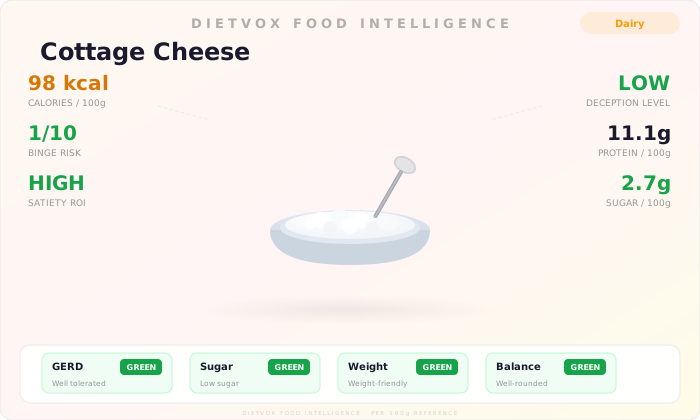
Cottage Cheese
Cottage cheese provides high-quality protein and calcium with moderate calories. Its slow-digesting casein makes it a good option for sustained nutrition.
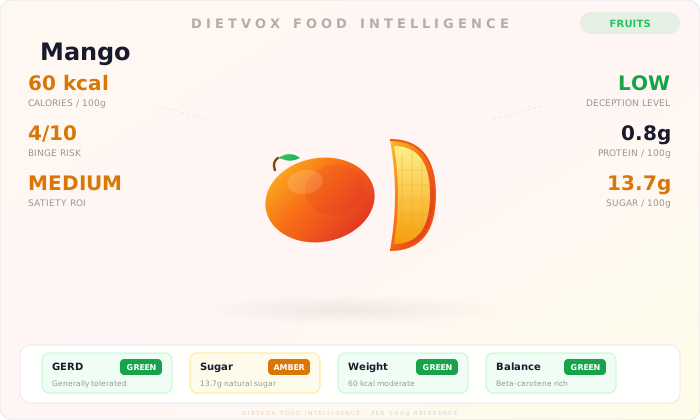
Mango
Mango provides exceptional vitamin C, vitamin A (beta-carotene), and fibre. A nutrient-rich tropical fruit in moderate portions.
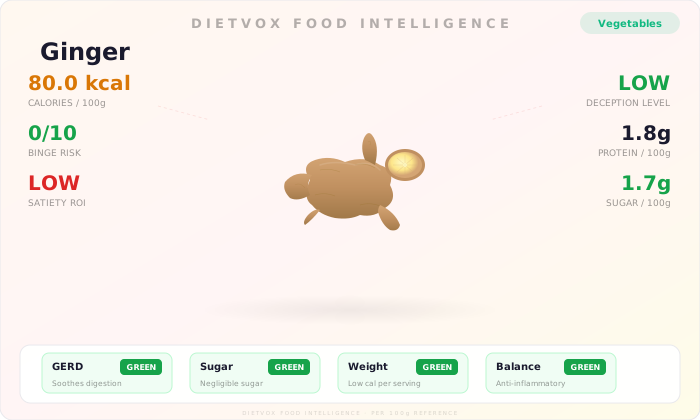
Ginger
Ginger provides anti-inflammatory compounds (gingerols) and supports digestive comfort. A beneficial herb for regular culinary use.
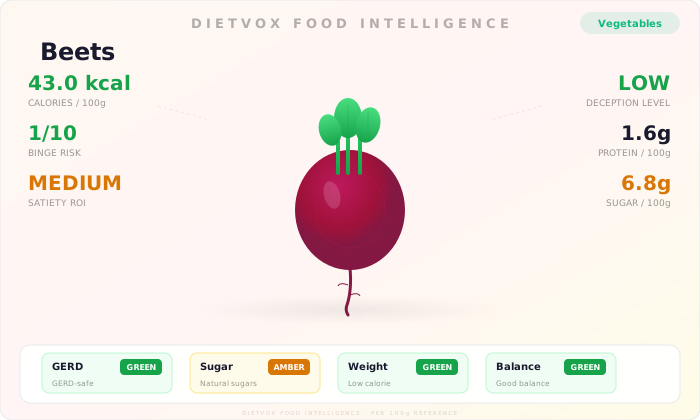
Beets
Beets provide folate, manganese, and naturally occurring nitrates that may support cardiovascular health. A nutritious root vegetable for varied diets.
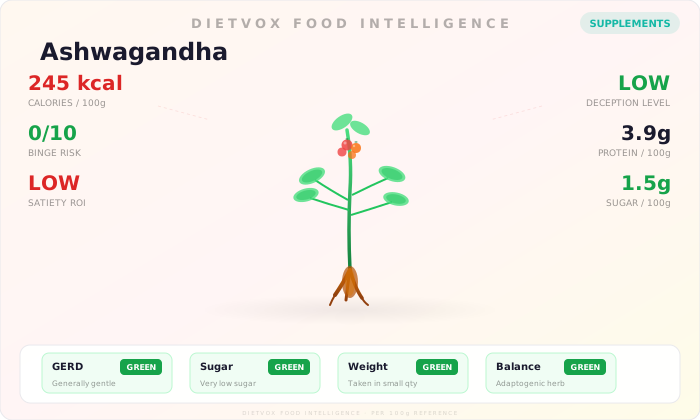
Ashwagandha
Ashwagandha is an adaptogenic supplement that may support stress management. At standard doses it integrates easily into a balanced wellness routine.
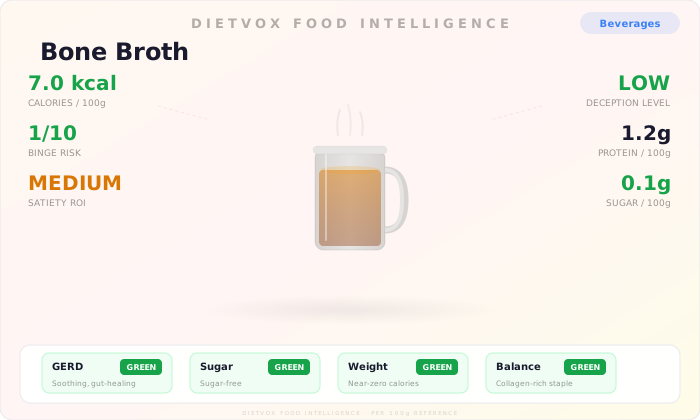
Bone Broth
Bone broth provides collagen, minerals, and amino acids in an easily digestible format. A nourishing addition to a balanced diet.
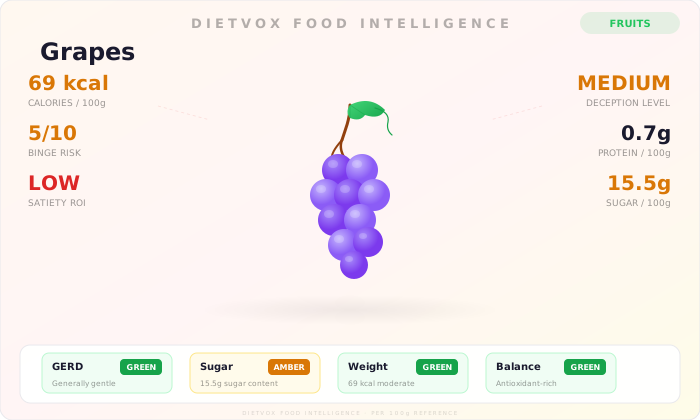
Grapes
Grapes provide resveratrol, vitamin K, and antioxidants. Red and purple varieties offer the most beneficial plant compounds. A nutritious fruit in moderate portions.
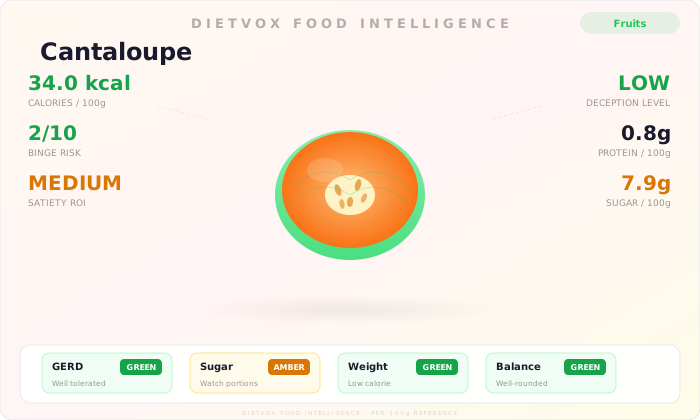
Cantaloupe
Cantaloupe is rich in vitamin A (beta-carotene) and vitamin C while being low in calories. A refreshing and nutritious fruit choice.
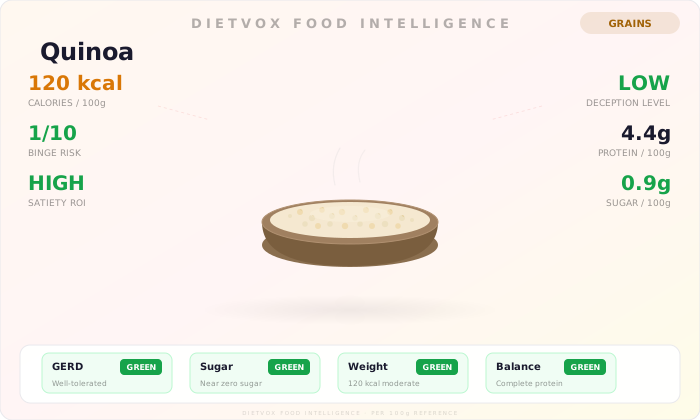
Quinoa
Quinoa is a complete plant protein providing all essential amino acids, plus fibre, magnesium, and iron. An excellent balanced carbohydrate source.
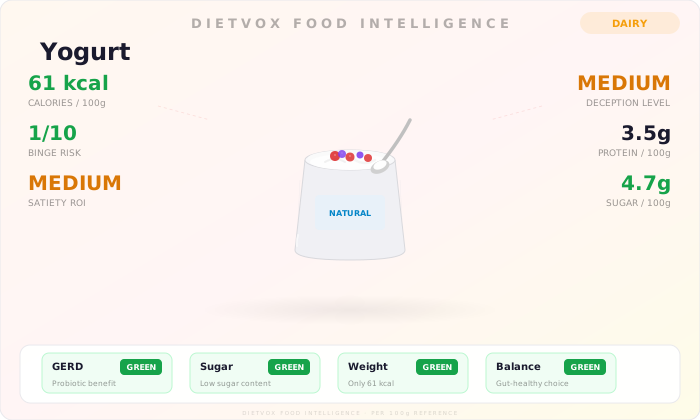
Yogurt
Yogurt provides protein, calcium, probiotics, and B vitamins. Regular consumption supports gut health and bone density.
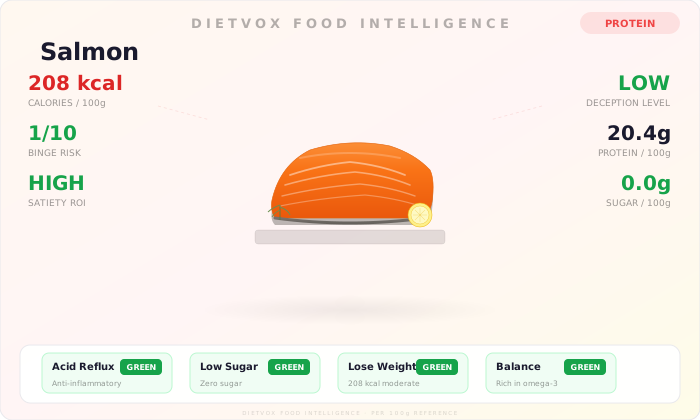
Salmon
Salmon is one of the best food sources of omega-3 fatty acids (EPA and DHA), providing high-quality protein, vitamin D, and selenium.
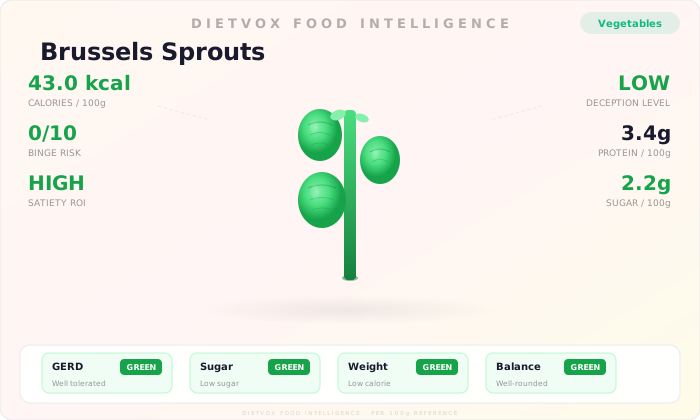
Brussels Sprouts
Brussels sprouts provide excellent fibre, vitamin C, and vitamin K. Their protein content is high for a vegetable, supporting balanced nutrition.
Foods to Watch AMBER
These foods are fine in moderation but shouldn't form the foundation of your diet.
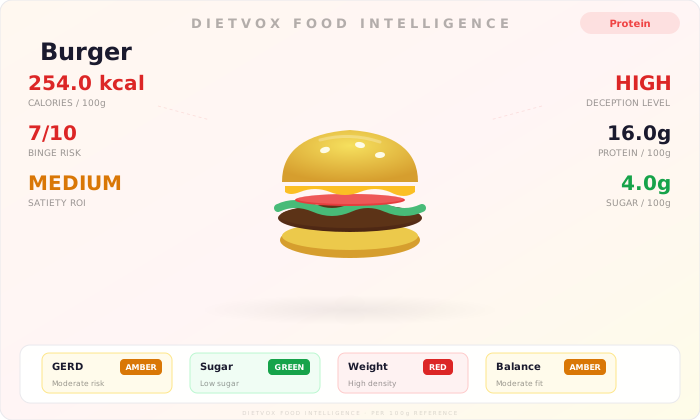
Burger
A burger can fit into a balanced diet when using lean meat, wholegrain buns, and fresh vegetable toppings. Watch frequency and preparation quality.
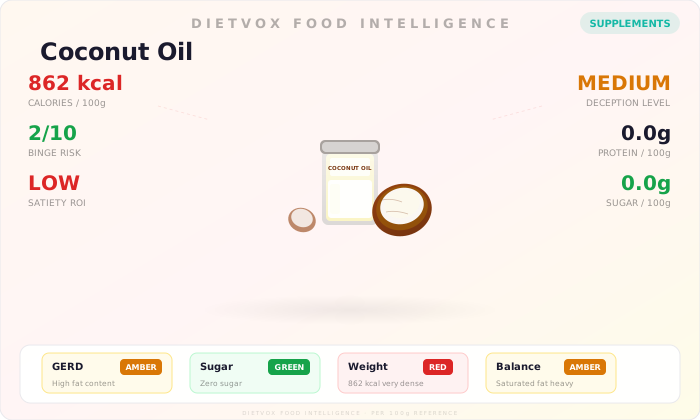
Coconut Oil
Coconut oil is high in saturated fat. While it provides medium-chain triglycerides, the evidence for health benefits is mixed. Use sparingly.
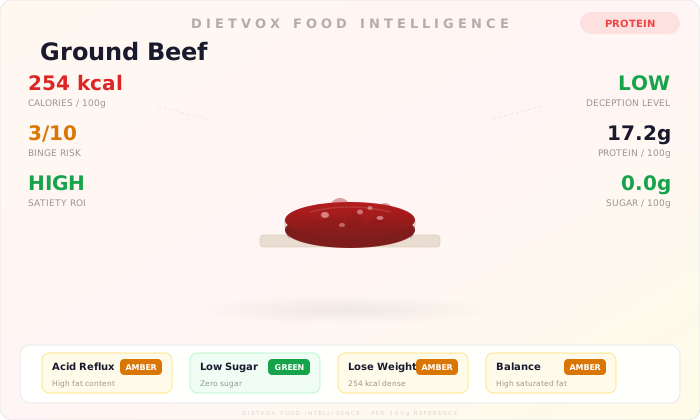
Ground Beef
Ground beef provides iron, B12, and zinc. Choose lean varieties (10% fat or less) for better balance. Moderate consumption as part of a varied protein intake.
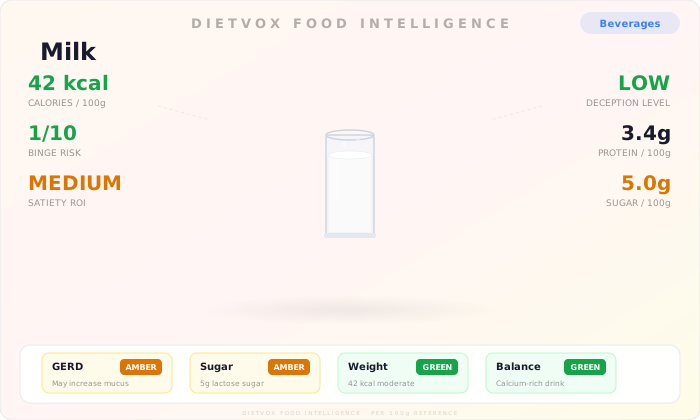
Milk
Milk provides calcium, protein, vitamin D (if fortified), and B12. A valuable food for balanced nutrition — choose semi-skimmed for a good fat balance.
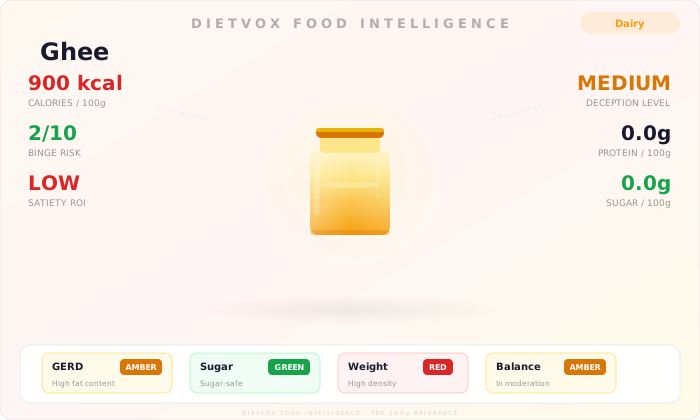
Ghee
Ghee provides fat-soluble vitamins A, D, and E, and is used in Ayurvedic cooking. Small amounts complement balanced cooking.
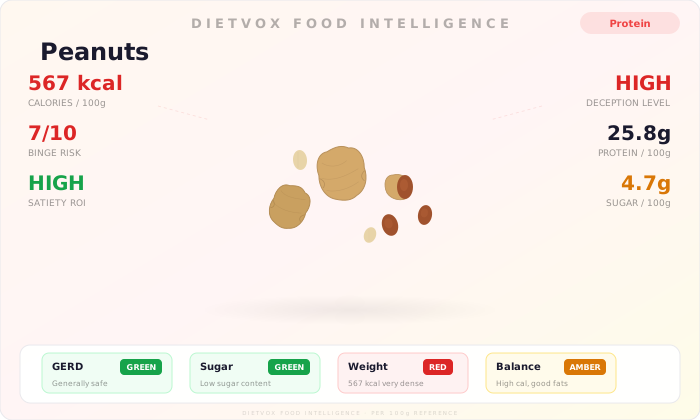
Peanuts
Peanuts provide protein, healthy fats, and resveratrol. A nutritious snack when portion-controlled — choose unsalted varieties.
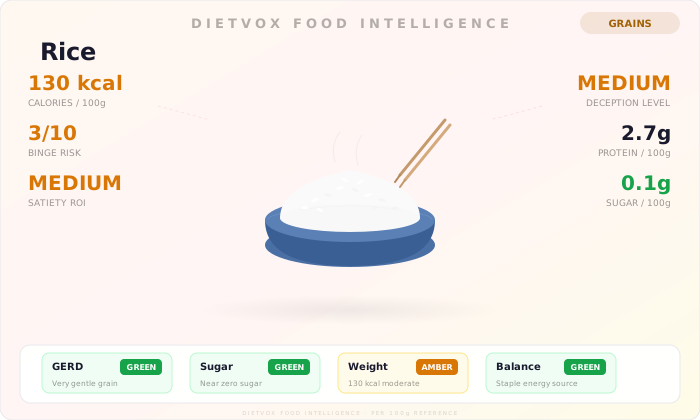
Rice
Brown rice provides fibre, manganese, and selenium. White rice is less nutritious. Both fit a balanced diet as moderate carbohydrate sources.
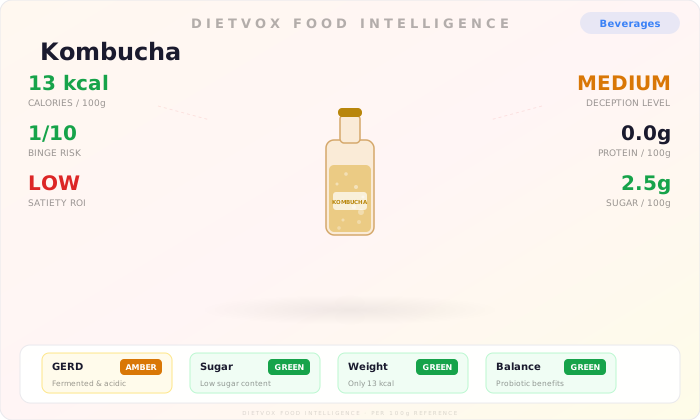
Kombucha
Kombucha provides probiotics from fermentation. Sugar content varies by brand. Choose low-sugar versions for the best balance of benefits.
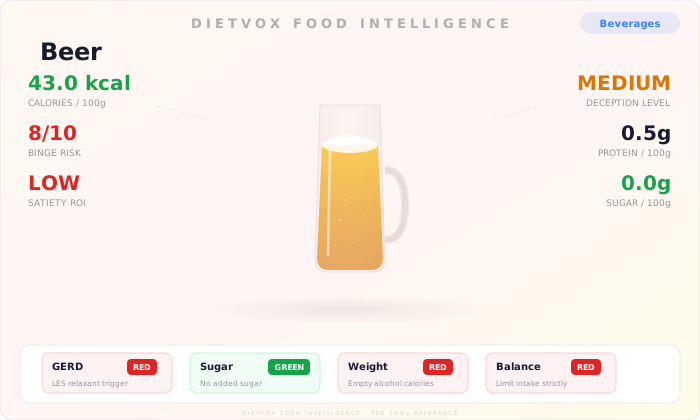
Beer
Beer in moderation provides some B vitamins and silicon, but alcohol's health risks require careful consumption within a balanced lifestyle.
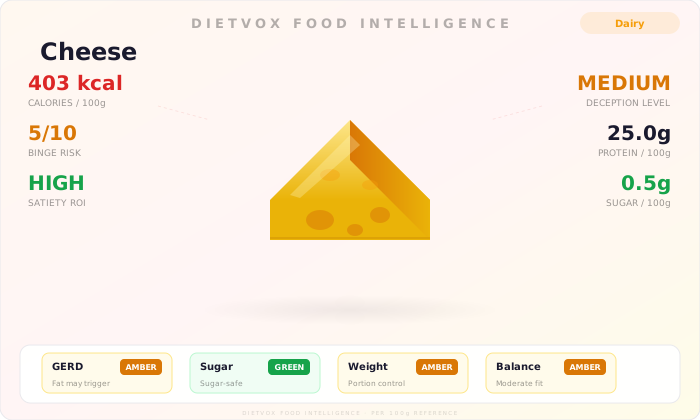
Cheese
Cheese provides calcium, protein, and vitamin K2. Moderate portions of quality cheese fit well into a balanced diet despite the fat content.
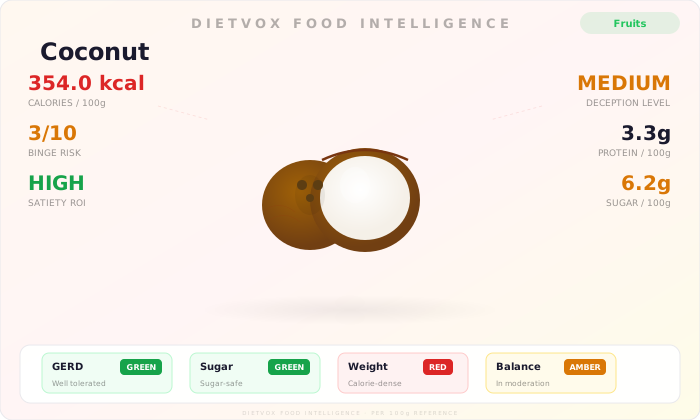
Coconut
Coconut provides medium-chain triglycerides and manganese, but its very high saturated fat content requires moderate consumption within a balanced diet.
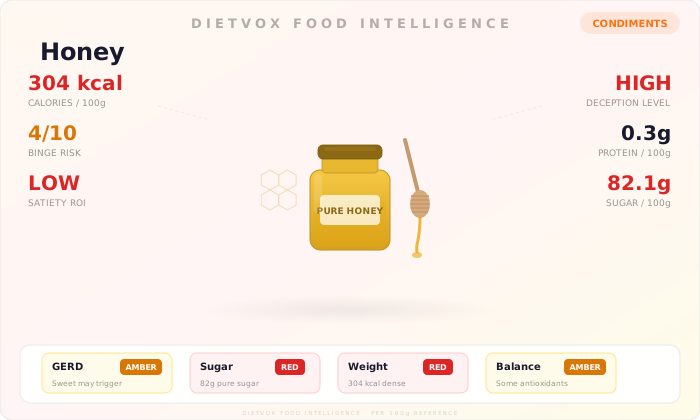
Honey
Honey contains trace enzymes and antioxidants not found in refined sugar. As a natural sweetener in small amounts, it can fit a balanced diet.
Foods to Avoid RED
These foods are nutritionally poor and associated with negative health outcomes when consumed regularly.
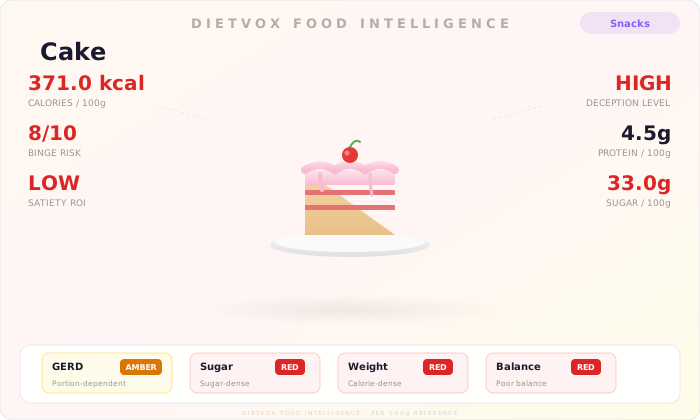
Cake
Cake is high in sugar, saturated fat, and refined flour with minimal nutritional value. It undermines balanced nutrition when consumed regularly.
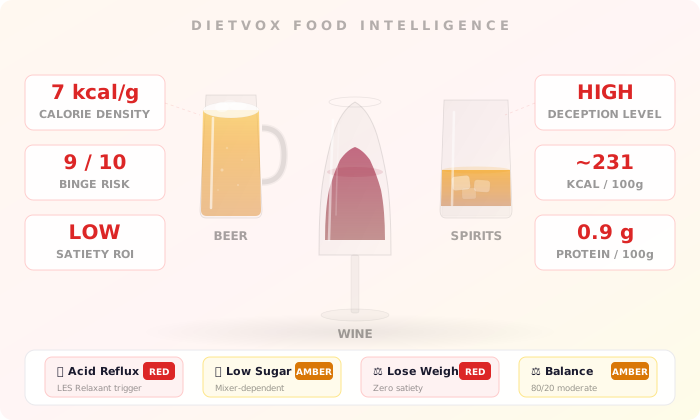
Alcohol
Alcohol provides empty calories, impairs nutrient absorption, disrupts sleep quality, and is associated with numerous health risks. It undermines the goals of a balanced dietary protocol.
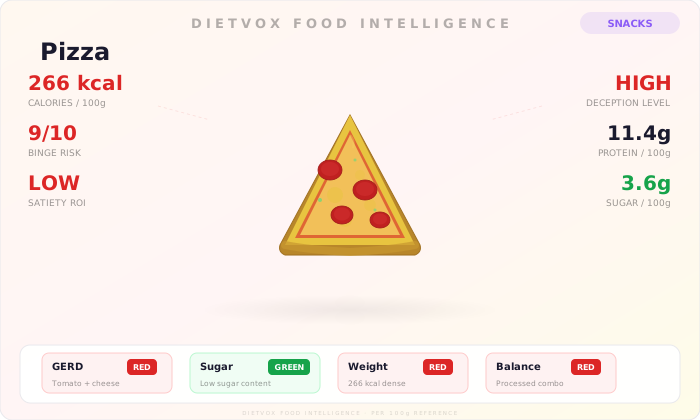
Pizza
Standard pizza is high in saturated fat (cheese), refined carbohydrates (dough), and sodium. While occasionally acceptable, regular consumption undermines dietary balance.
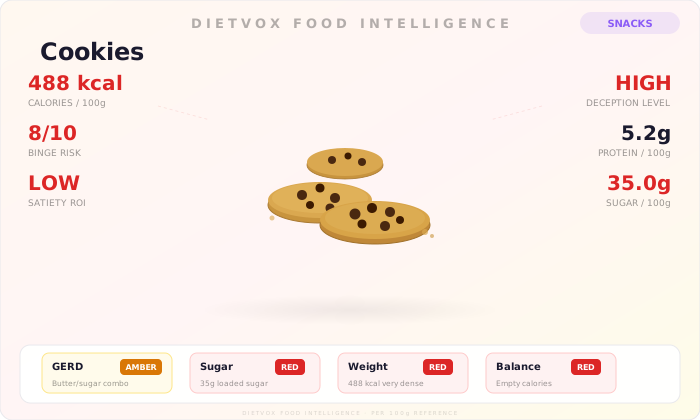
Cookies
Cookies are high in sugar, fat, and refined flour. They provide poor nutritional value and can displace more nutritious foods in a balanced diet.
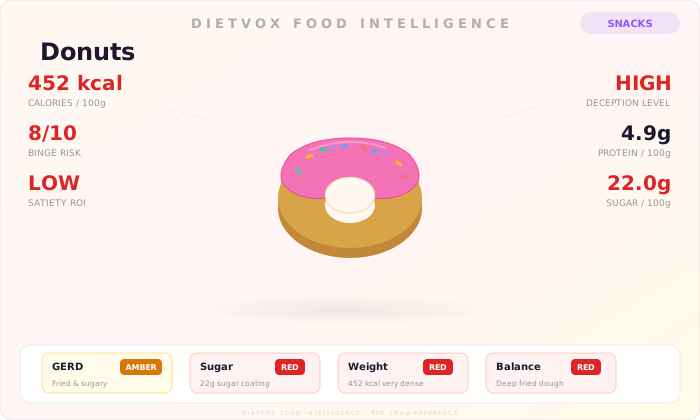
Donuts
Donuts are deep-fried and high in sugar, providing saturated fat and trans fats with virtually no nutritional value. Counterproductive to balanced health.
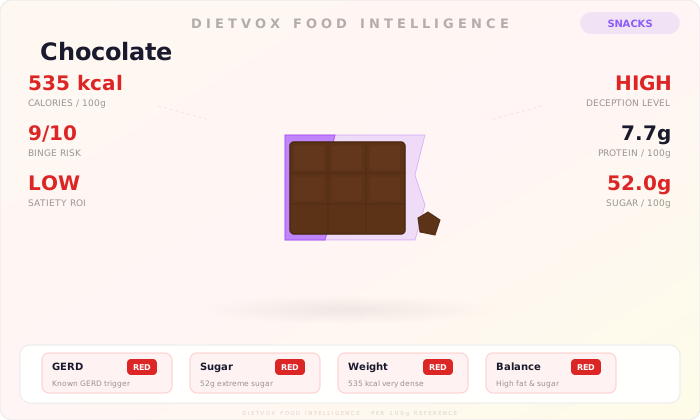
Chocolate
Milk chocolate is high in sugar and saturated fat with limited nutritional benefit. Occasional dark chocolate (70%+) in small amounts is a better balanced choice.
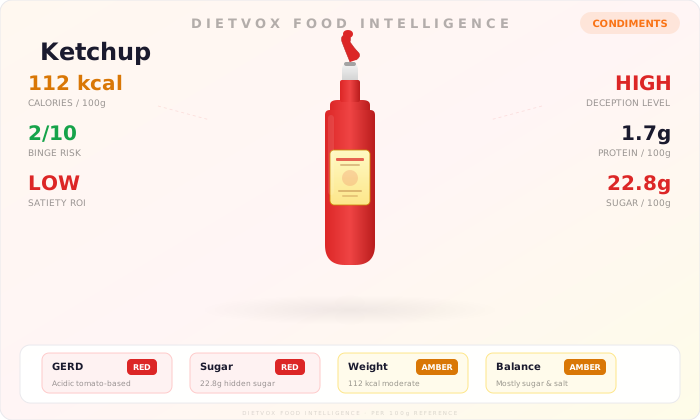
Ketchup
Ketchup is high in added sugar and sodium relative to its nutritional contribution. Regular heavy use adds hidden sugar and contradicts balanced eating.
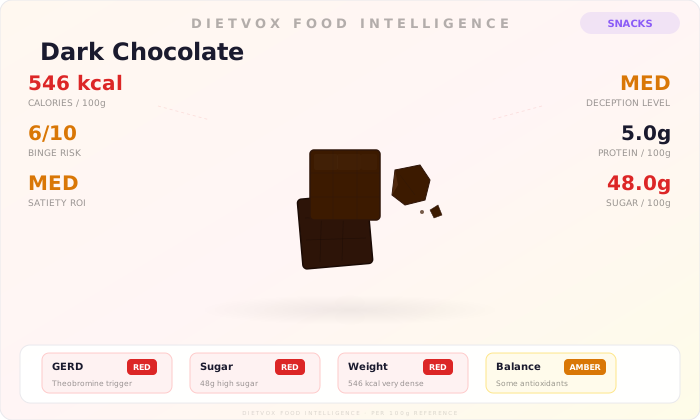
Dark Chocolate
Dark chocolate provides flavanols and antioxidants but remains calorie-dense and high in saturated fat. Very small portions (10–20g) only for balanced eating.
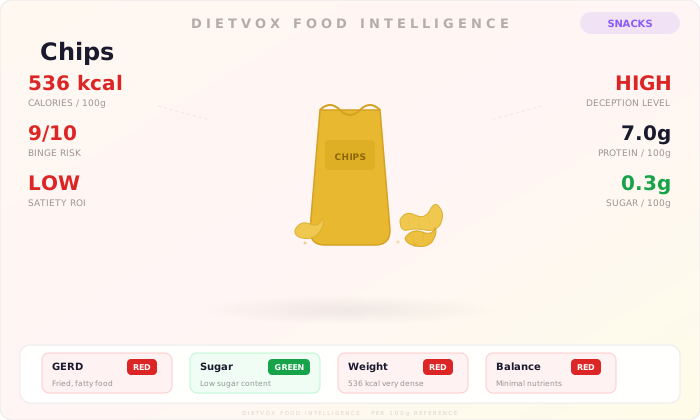
Chips
Chips are high in fat, sodium, and acrylamide from frying. They provide very low nutritional value relative to their calorie and health costs.
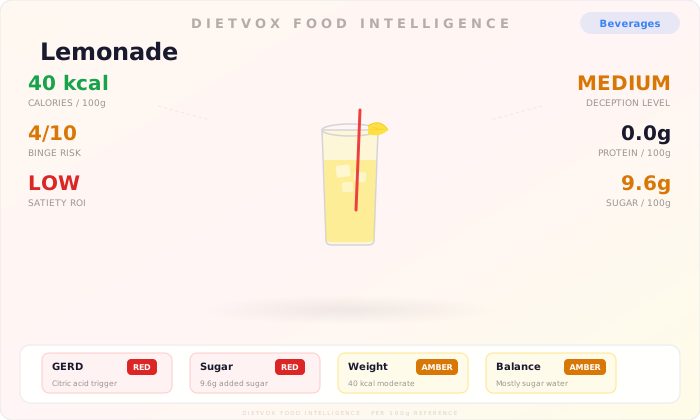
Lemonade
Lemonade is essentially sugar water with lemon flavouring. Regular consumption adds significant empty calories and undermines balanced nutrition.
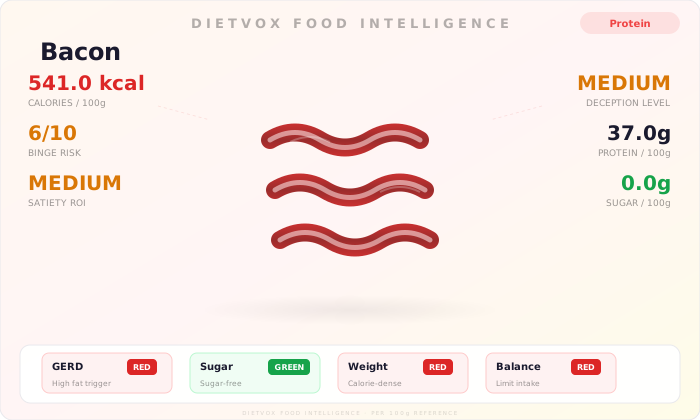
Bacon
Bacon is high in saturated fat, sodium, and nitrates/nitrites. Regular consumption is associated with increased cardiovascular and cancer risk, contradicting balanced health goals.
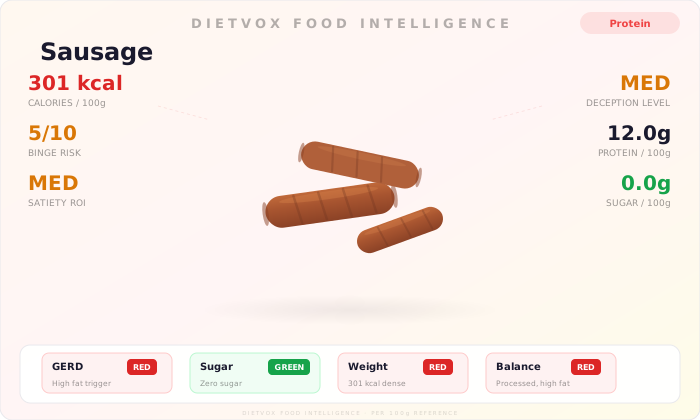
Sausage
Sausage is high in saturated fat, sodium, and processed meat additives. WHO classifies processed meat as a Group 1 carcinogen — limit consumption.
These are just the highlights. The app rates every food you eat.
Scan any food, get an instant RED / AMBER / GREEN rating for balanced nutrition.
Try It Free →How DietVox Approaches Balance
Most nutrition advice focuses on what to eliminate. DietVox takes a different view for the Balance protocol: we evaluate what your food gives you as much as what it costs you. A food might be moderate in calories but rich in omega-3 fatty acids, or high in protein that supports muscle maintenance, or contain fermented compounds that benefit gut health.
DietVox's Balance protocol assesses foods across nutrient density, processing level, macro balance, and functional benefits. A meal of grilled salmon with roasted vegetables and quinoa lights up as GREEN across every dimension. A bag of crisps is calorie-rich but nutrient-empty — the definition of imbalance.
Balance isn't about restriction — it's about getting genuine value from what you eat.
Practical Tips
- Aim for 20+ grams of protein per meal. Research on muscle protein synthesis shows a minimum threshold of approximately 20g per meal is needed to effectively maintain muscle mass. Below this, the meal doesn't fully trigger the repair process.
- Eat at least 3 servings of vegetables daily. This simple target covers a significant portion of your micronutrient and fibre needs. If you're not hitting this, add vegetables before removing anything else.
- Apply the 80/20 rule weekly, not daily. If most of your meals across the week are GREEN and AMBER, an occasional RED meal is genuinely fine. Obsessing over individual meals creates stress that undermines sustainability.
- Cook from whole ingredients more often. The single most reliable marker of diet quality is the proportion of food cooked at home from whole ingredients versus pre-made or takeaway. Simple grilled protein with vegetables is GREEN across every dimension.
- Include fermented foods regularly. Yogurt, kimchi, sauerkraut, kefir, miso — the gut microbiome evidence is increasingly strong. Even small, regular servings appear beneficial.
Frequently Asked Questions
What does a balanced day of eating look like?
A solid example: Breakfast of eggs with whole grain toast and avocado. Lunch of grilled chicken salad with olive oil dressing and mixed vegetables. Dinner of salmon with brown rice and steamed broccoli. Snacks of nuts, fruit, or plain yogurt. This gives you strong protein at every meal, plenty of vegetables, healthy fats, and whole grains — all GREEN.
Are ultra-processed foods really that bad?
The evidence is remarkably consistent. High consumption of ultra-processed foods (NOVA category 4) is associated with increased risk of obesity, type 2 diabetes, cardiovascular disease, and certain cancers across virtually every large population study. This includes foods that appear "healthy" — many protein bars, breakfast cereals, and packaged snacks fall into NOVA 4.
How much protein do I need daily?
For general health and muscle maintenance, most adults benefit from approximately 0.8-1.0g per kilogram of body weight daily, spread across meals. For active individuals or those over 50, 1.2-1.6g/kg is better. The key is getting at least 20g per meal to trigger muscle protein synthesis effectively.
Can I drink alcohol on a balanced diet?
The WHO states there is no completely safe level of alcohol consumption. That said, moderate consumption (up to one drink per day) falls within most practical definitions of balance. DietVox rates a single glass of wine as AMBER. Frequent or heavy drinking is RED.
Is organic food more nutritious than conventional?
The nutritional differences between organic and conventional produce are generally small. Organic farming has environmental benefits, but from a pure nutrient-density standpoint, eating more vegetables of any kind matters far more than whether they're organic. Don't let organic prices prevent you from eating enough vegetables.
Want instant ratings for any food? Try DietVox free