What Is Acid Reflux (GERD)?
Acid reflux happens when stomach acid flows back into the oesophagus — the tube connecting your mouth to your stomach. If it happens frequently, it's called gastroesophageal reflux disease, or GERD. That burning sensation behind your breastbone, the sour taste that creeps up after meals, the persistent cough that won't shift — over 20% of adults in Western countries experience these symptoms regularly.
The lower oesophageal sphincter (LES) is meant to act as a one-way valve, closing after food passes through. When this valve weakens or relaxes at the wrong time, acid escapes upward. Certain foods can trigger this directly — either by relaxing the valve, irritating the lining, or keeping the stomach full for too long.
The good news: dietary management is one of the most effective non-pharmaceutical approaches to controlling reflux. The challenge is knowing which foods to trust — and which ones are quietly making things worse.
Surprising Facts
Decaf isn't safe — it's just safer.
Most people assume switching to decaf solves the coffee problem. It reduces one mechanism (caffeine's valve-relaxing effect) but leaves others intact. DietVox rates decaf as AMBER, not GREEN — there's still risk.
Dark chocolate is no better than milk chocolate for reflux.
The trigger compound (theobromine) is present in all chocolate — and actually in higher concentrations in darker varieties. The health halo doesn't apply here.
Peppermint tea is worse than black tea for GERD.
It sounds counterintuitive: herbal tea worse than caffeinated? But menthol is a direct sphincter relaxant. Chamomile or ginger tea are far better choices.
Foods to Enjoy GREEN
These foods are generally well-tolerated by people with GERD and unlikely to trigger reflux symptoms.
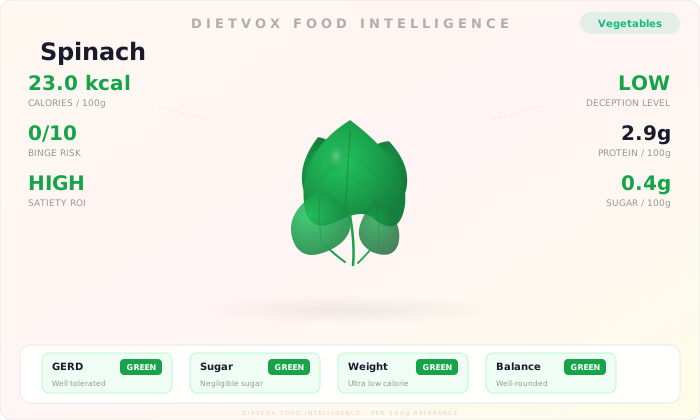
Spinach
Spinach is a low-acid, alkaline-forming leafy green with no reflux-triggering properties. It is nutrient-dense and well-tolerated.
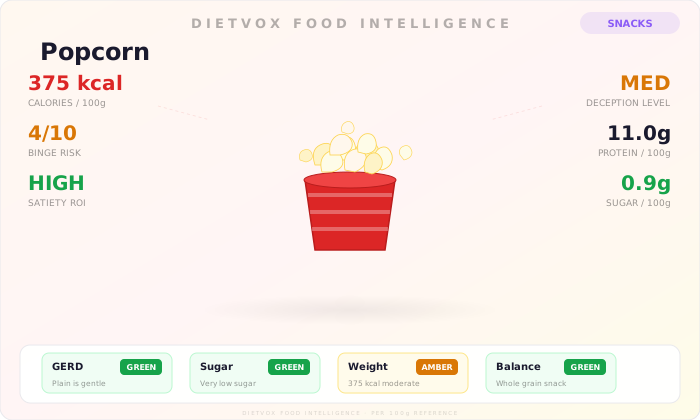
Popcorn
Air-popped popcorn is low-fat, high-fibre, and non-acidic. It is well-tolerated for reflux. Avoid butter-laden or heavily seasoned varieties which add fat and potential irritants.
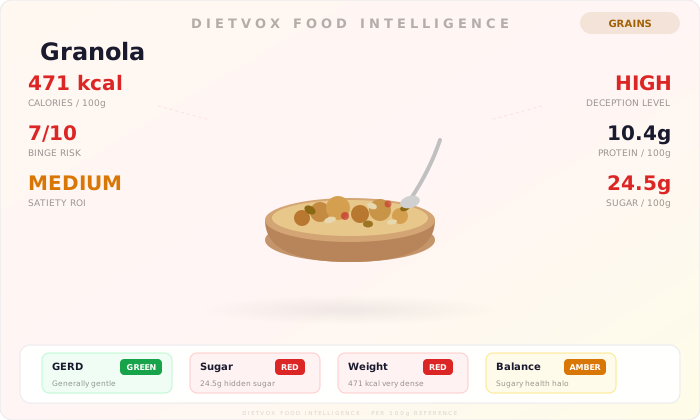
Granola
Plain oat-based granola is low-acid and non-triggering for reflux. Watch for varieties containing chocolate, citrus, or excessive sugar which may increase risk. Choose low-sugar, low-fat options.
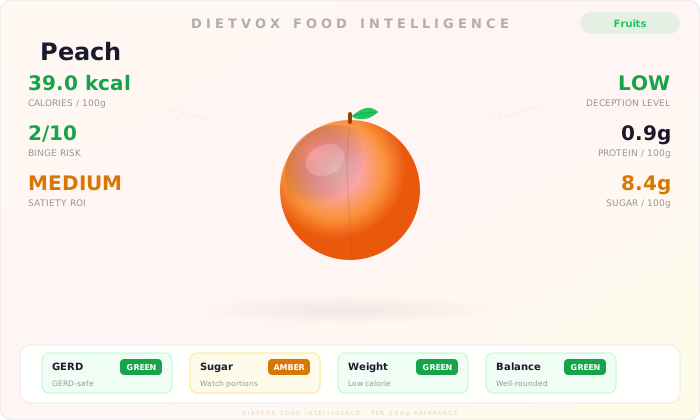
Peach
Peaches are low-acid for a fruit and well-tolerated by most reflux sufferers. Their soft texture and fibre content make them a safe choice.
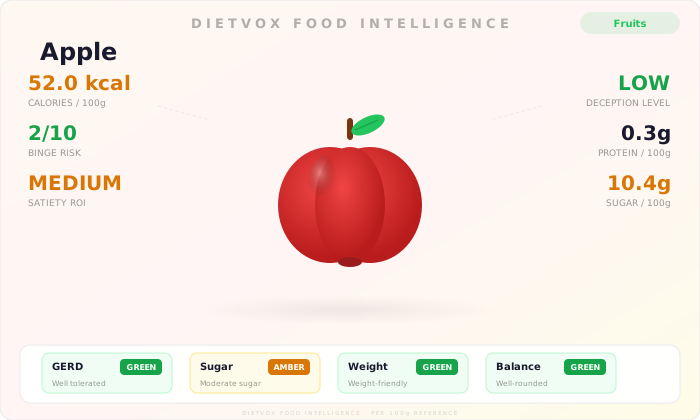
Apple
Apples are low-acid (pH 3.3–4.0) compared to citrus, and their fibre content helps buffer what acidity they have. Non-acidic varieties like Fuji and Gala are best tolerated.
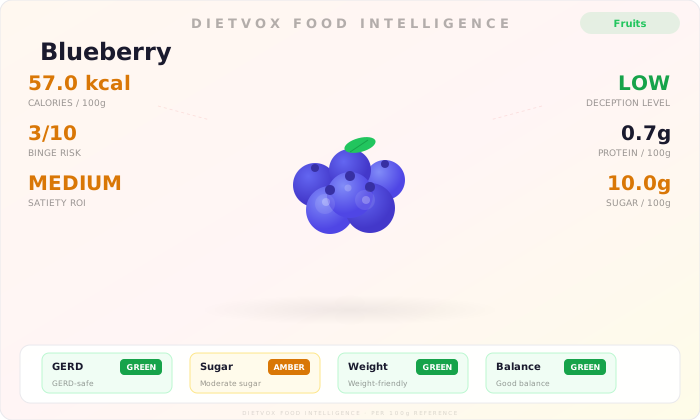
Blueberry
Blueberries are low-acid for a berry (pH 3.1–3.4) and rich in fibre that buffers their mild acidity. They are generally safe for reflux sufferers in normal portions.
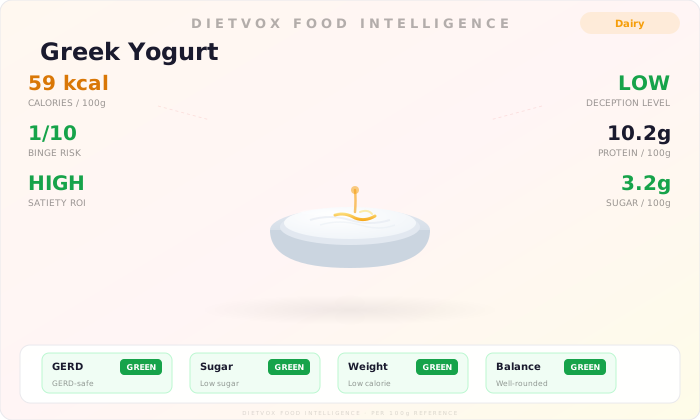
Greek Yogurt
Low-fat Greek yogurt is non-acidic and easy to digest. Its probiotic content may support digestive health. Choose plain, low-fat varieties and avoid fruit-flavoured options with added sugar.
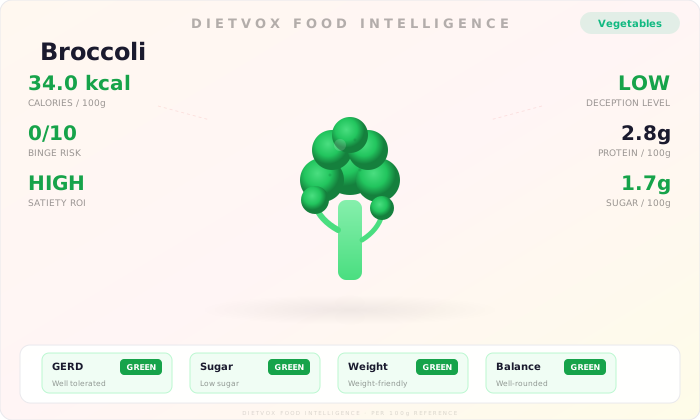
Broccoli
Broccoli is a low-acid, high-fibre vegetable with no reflux-triggering properties. Its alkaline nature may help neutralise stomach acid.
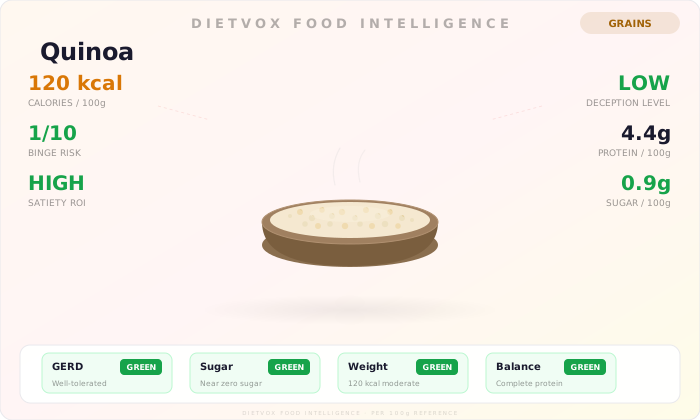
Quinoa
Quinoa is a low-acid, high-fibre whole grain with no reflux-triggering properties. Its mild flavour and easy digestibility make it a safe choice.
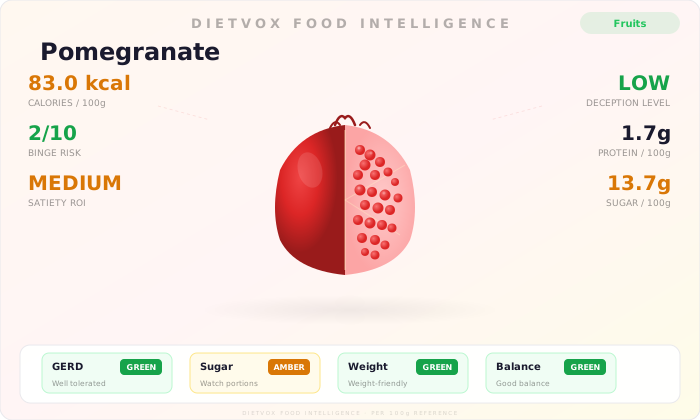
Pomegranate
Pomegranate is mildly acidic but generally well-tolerated in moderate amounts. Its antioxidant content offers nutritional benefits without significant reflux risk.
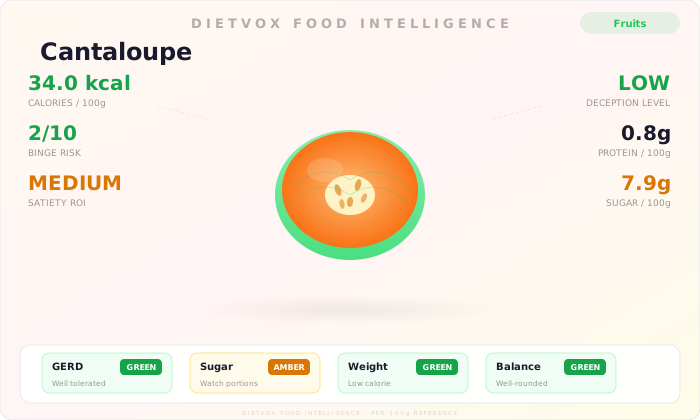
Cantaloupe
Cantaloupe is one of the least acidic melons (pH 6.1–6.5) and is commonly recommended for reflux sufferers. Its high water content and low acidity make it very well-tolerated.
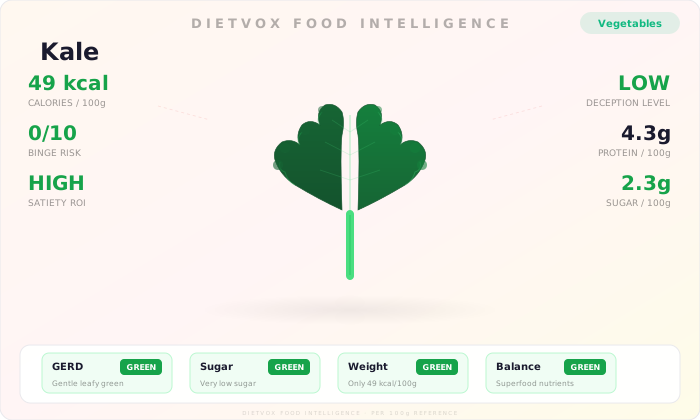
Kale
Kale is a low-acid, nutrient-dense leafy green that does not affect LES function or gastric acid production. Its alkaline properties make it a safe choice for reflux.
Foods to Watch AMBER
These foods aren't automatic triggers, but they can cause problems depending on preparation, portion size, or individual sensitivity.
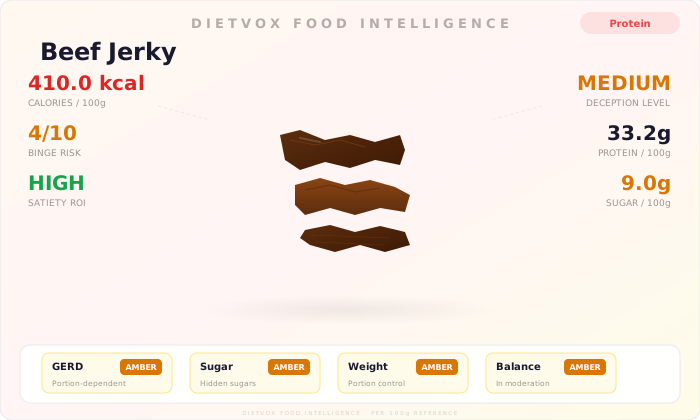
Beef Jerky
Beef jerky is high in protein but also high in sodium and often contains spices. The tough texture requires extensive chewing and the sodium content may irritate sensitive stomachs.
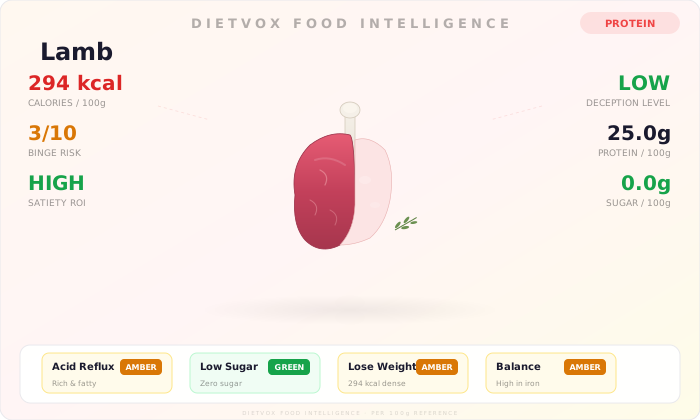
Lamb
Lamb contains moderate-to-high fat depending on the cut. Leaner cuts (leg, loin) are better tolerated than fattier cuts (shoulder, rack) which delay gastric emptying.
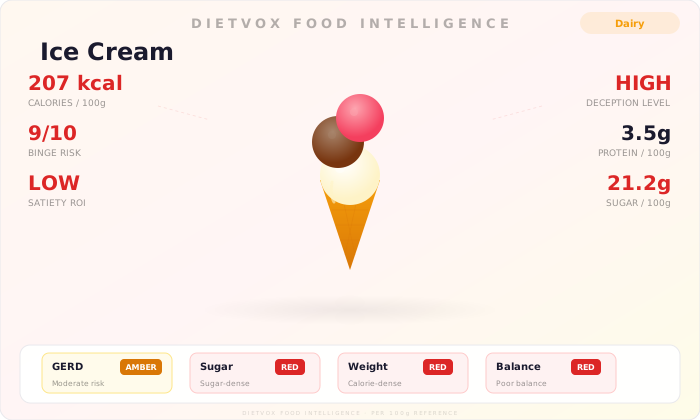
Ice Cream
Ice cream is high in both fat and sugar. The fat delays gastric emptying while the cold temperature can mask early reflux symptoms. Lower-fat varieties are better tolerated.
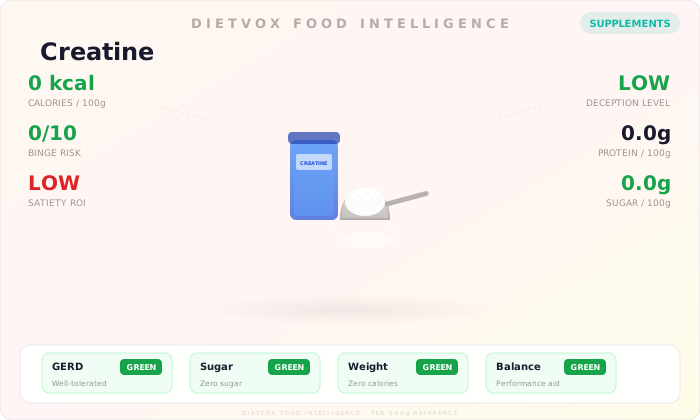
Creatine
Creatine supplements can cause gastrointestinal distress in some users and may increase gastric acid production. While generally safe, the precautionary principle suggests caution for reflux sufferers.
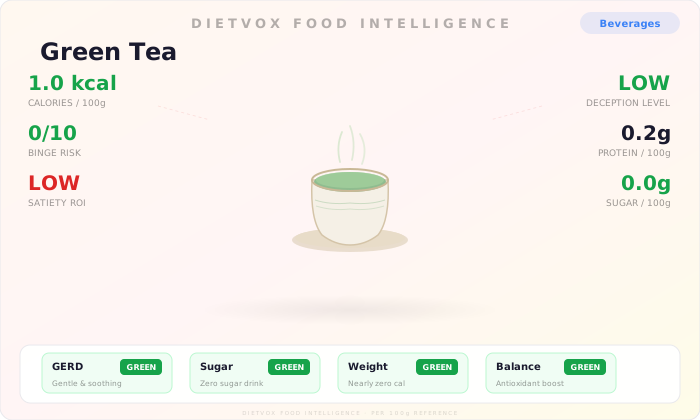
Green Tea
Green tea contains caffeine (~25–50mg per cup) which can relax the lower oesophageal sphincter. While it has less caffeine than coffee and contains beneficial L-theanine, caffeine-sensitive reflux sufferers should limit intake or choose decaffeinated varieties.
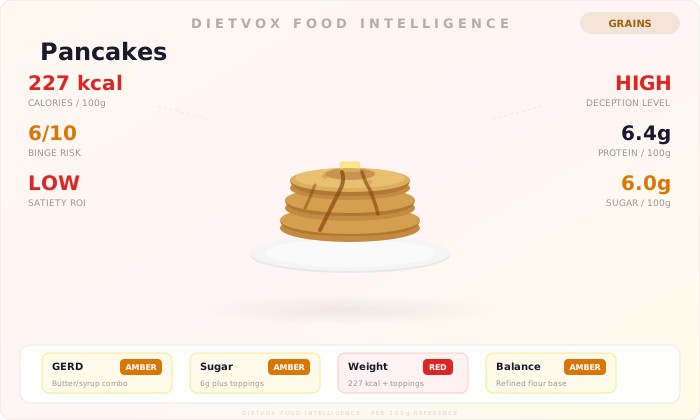
Pancakes
Pancakes are moderate-risk in themselves, but toppings like butter, syrup, and fruit compotes add fat and sugar that can trigger reflux. Plain or lightly topped pancakes are better tolerated.
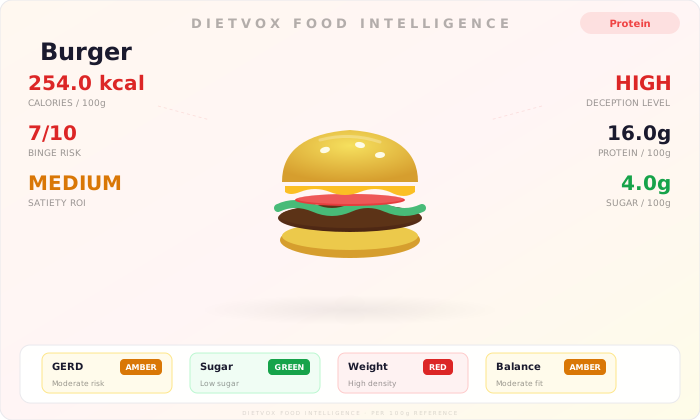
Burger
Burgers contain moderate-to-high fat depending on the meat and preparation. The fat delays gastric emptying, and common toppings (onion, ketchup, cheese) add further trigger potential.
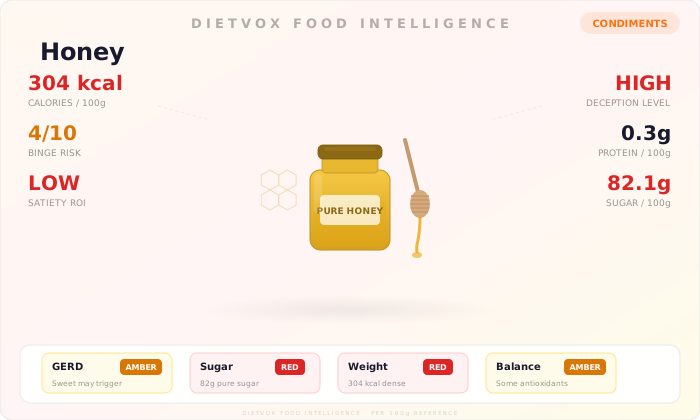
Honey
Honey is high in sugar (82g per 100g), which can stimulate gastric acid production. Small amounts as a sweetener are usually tolerated, but larger quantities may trigger reflux.
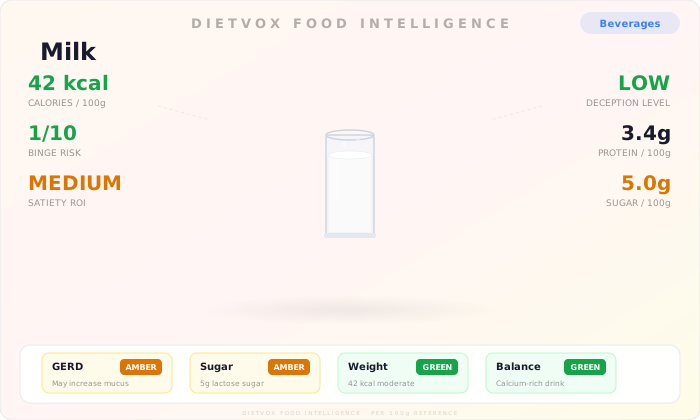
Milk
Milk initially buffers stomach acid but then triggers a rebound effect — the calcium and protein stimulate additional acid production. Skimmed milk is better tolerated than full-fat.
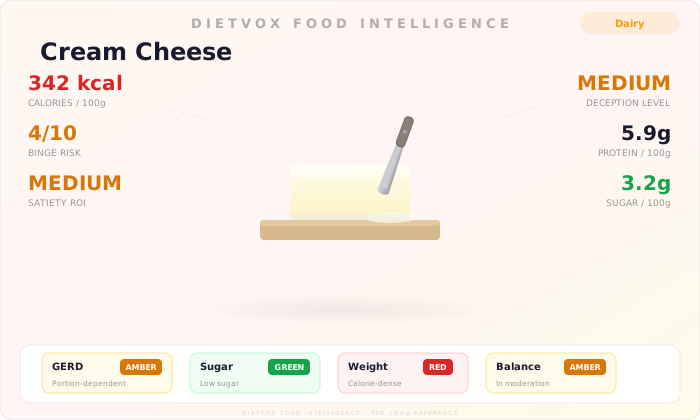
Cream Cheese
Cream cheese is high in fat (34g per 100g), which delays gastric emptying. Small portions as a spread are usually tolerable, but generous amounts increase reflux risk.
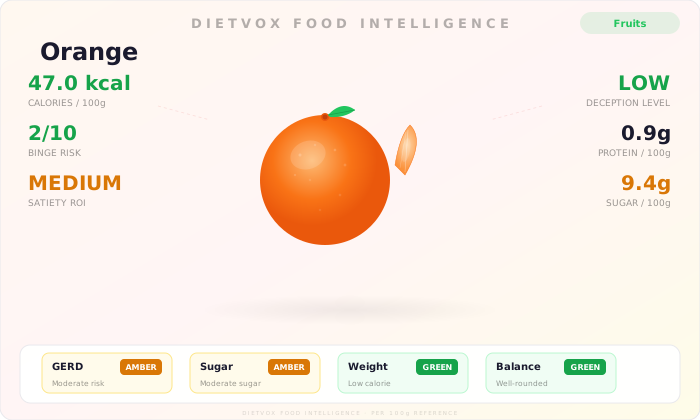
Orange
Oranges are acidic (pH 3.7–4.3) but the fibre content partially buffers the citric acid. Small portions are usually tolerated, but the acidity can trigger symptoms in sensitive individuals.
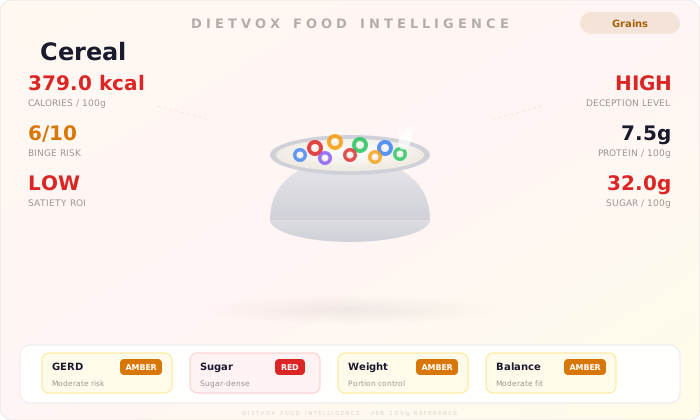
Cereal
Most cereals are tolerable, but sugar content varies widely. High-sugar cereals can stimulate acid production, and serving with full-fat milk adds a fat-related trigger.
Foods to Avoid RED
These foods are known to trigger or worsen acid reflux through well-established mechanisms.
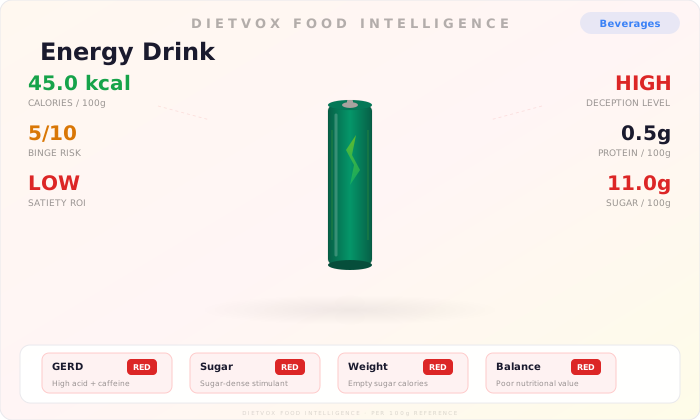
Energy Drink
Energy drinks combine high caffeine levels (often 80–160mg per serving) with carbonation and acidity. The caffeine relaxes the LES while carbonation increases gastric pressure.
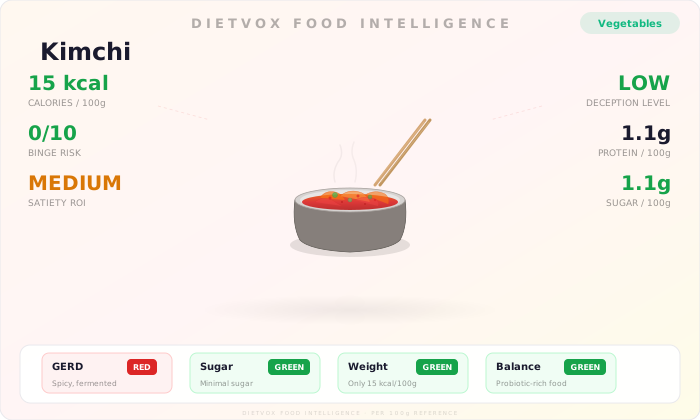
Kimchi
Kimchi is fermented, acidic, and typically spiced with chilli. The combination of fermentation acids, capsaicin from chilli, and garlic content creates multiple reflux triggers.
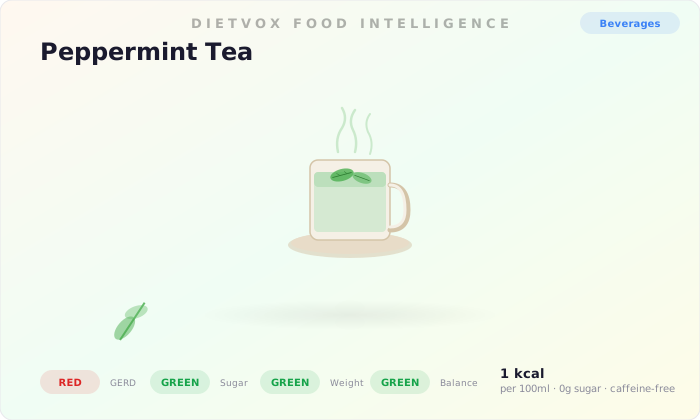
Peppermint Tea
Peppermint tea contains menthol, a direct smooth-muscle relaxant that weakens the lower oesophageal sphincter. This allows stomach acid to flow back into the oesophagus, triggering or worsening reflux symptoms. Avoid if you have GERD — choose chamomile or ginger tea instead.
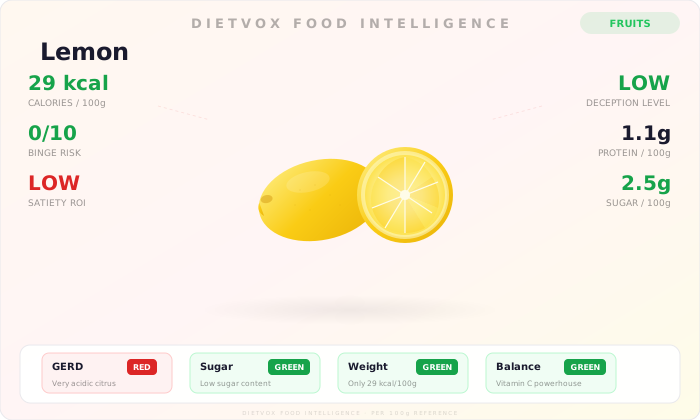
Lemon
Lemon is extremely acidic (pH 2.0–2.6) and contains high concentrations of citric acid. Even small amounts can directly irritate the oesophageal lining and worsen reflux symptoms.
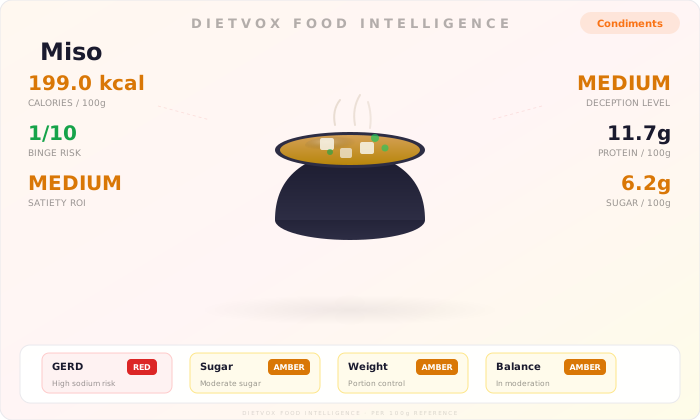
Miso
Miso is fermented and high in sodium (3,700mg per 100g). The fermentation acids and high salt content can irritate the stomach lining and stimulate acid production.
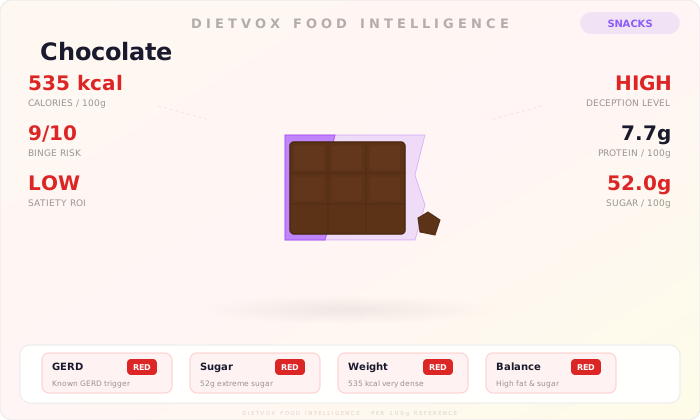
Chocolate
Chocolate contains theobromine, which directly relaxes the lower oesophageal sphincter. Combined with its fat and caffeine content, chocolate triggers reflux through multiple mechanisms simultaneously.
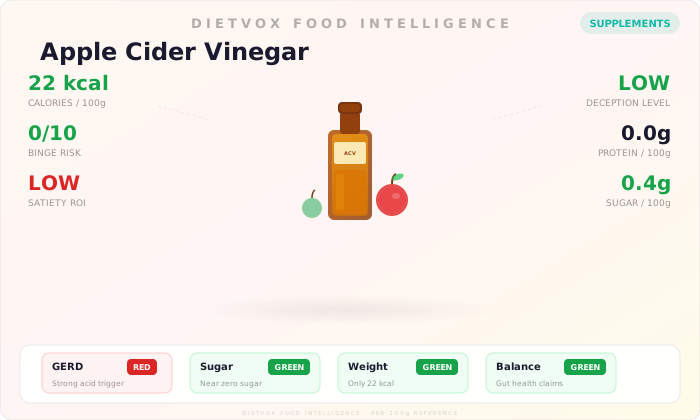
Apple Cider Vinegar
Apple cider vinegar is highly acidic (pH 2–3) and can directly irritate the oesophageal lining. Despite popular claims about its digestive benefits, it frequently worsens reflux symptoms.
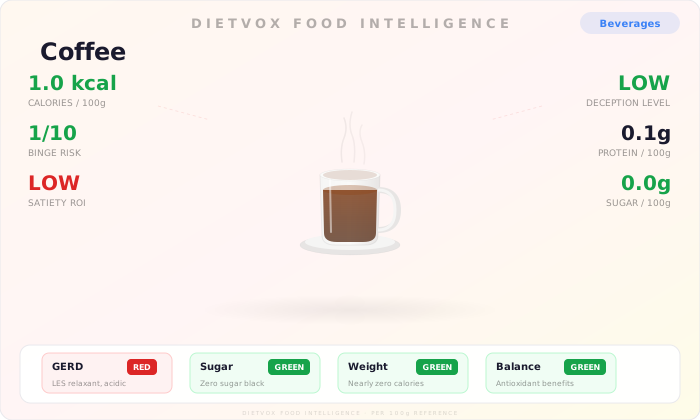
Coffee
Caffeine in coffee relaxes the lower oesophageal sphincter, while other compounds stimulate excess gastric acid production. Coffee's natural acidity (pH 4.5–5) adds direct irritation as a third mechanism.
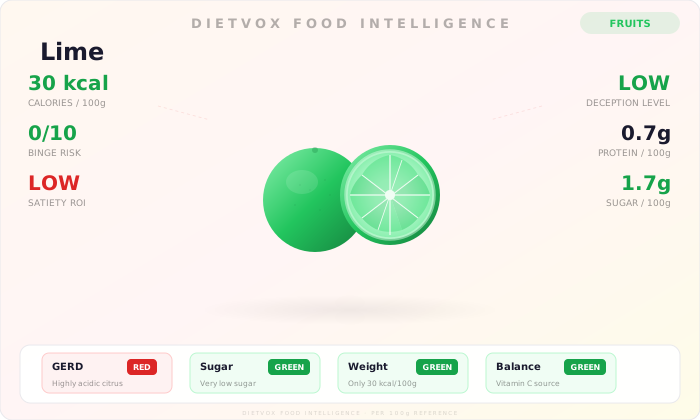
Lime
Lime is highly acidic (pH 2.0–2.8), similar to lemon. Its citric acid content can directly irritate the oesophageal lining and stimulate gastric acid secretion.
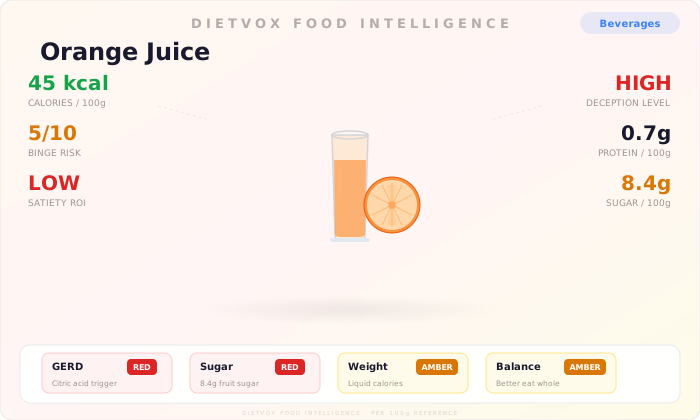
Orange Juice
Orange juice is highly acidic (pH 3.3–4.2) and a concentrated source of citric acid. A single glass delivers far more acid than eating the fruit, making it one of the strongest dietary reflux triggers.
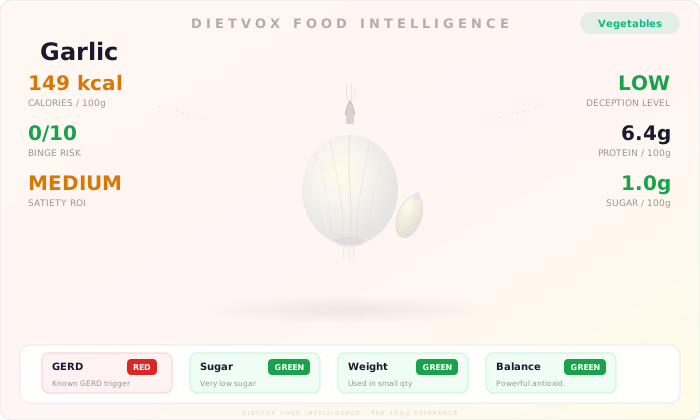
Garlic
Garlic contains fructans and sulphur compounds that can relax the lower oesophageal sphincter and irritate the stomach lining. Raw garlic is particularly problematic; cooked garlic may be better tolerated.
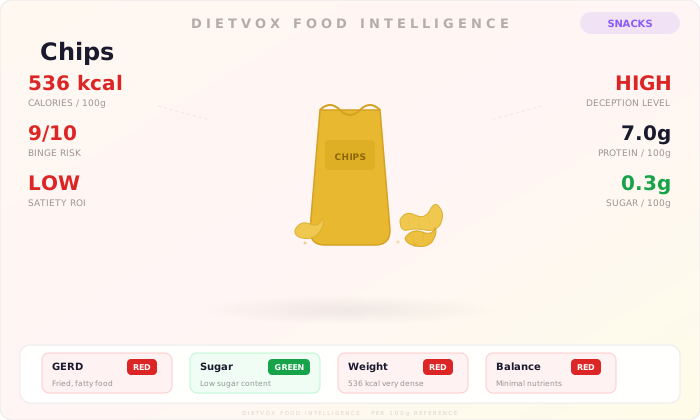
Chips
Chips are high in fat from deep-frying, which delays gastric emptying and increases stomach pressure against the LES. The salt content and acidity from flavourings can further irritate the oesophagus.
These are just the highlights. The app rates every food you eat.
Scan any food, get an instant RED / AMBER / GREEN rating for acid reflux.
Try It Free →How DietVox Approaches Acid Reflux
Most GERD food lists online give you a flat "avoid" list — tomatoes, coffee, chocolate, done. But reflux is far more nuanced than that. A food might relax the oesophageal valve through one mechanism, irritate the stomach lining through another, or delay digestion in a way that keeps pressure building. Some foods combine multiple mechanisms at once.
DietVox analyses foods across several mechanistic dimensions — not just whether something is "acidic" or not. Every food in our database receives a RED, AMBER, or GREEN rating for acid reflux based on how its specific compounds interact with your digestive system. The result is a rating that captures what generic food lists miss: the difference between a coffee (multiple mechanisms working against you) and a chamomile tea (actively soothing).
This isn't a simple lookup table — it's food intelligence built on gastroenterological research.
Practical Tips
- Timing matters as much as food choice. Eating within 3 hours of bedtime dramatically increases reflux risk — gravity can no longer help keep acid down. Try to have your last meal by early evening.
- Smaller portions reduce pressure. Large meals distend the stomach, pushing acid upward. Five smaller meals often work better than three large ones.
- Don't just avoid triggers — add soothing foods. Ginger, oatmeal, and alkaline vegetables can actively calm your digestive system, not just avoid irritating it.
- Track your personal triggers. While the common triggers apply to most people, individual tolerance varies. Some people handle moderate spice fine but react badly to garlic. Systematic tracking reveals your specific pattern.
- Preparation changes everything. The same chicken breast is GREEN when grilled and AMBER when fried. How food is prepared often matters as much as which food it is.
Frequently Asked Questions
Is acid reflux the same as heartburn?
Heartburn is a symptom — the burning sensation in your chest. Acid reflux is the underlying condition causing it: stomach acid flowing back into the oesophagus. GERD is the chronic version, diagnosed when acid reflux occurs frequently (typically twice a week or more). You can have acid reflux without heartburn, manifesting as a chronic cough, hoarseness, or difficulty swallowing.
Can I ever drink coffee with acid reflux?
Regular coffee is one of the strongest triggers due to multiple mechanisms working simultaneously. If you can't give it up entirely, cold brew has somewhat lower acidity, and adding milk can buffer the effect slightly. Decaf removes the caffeine component but isn't completely neutral. DietVox rates regular coffee as RED and decaf as AMBER.
Are all fruits bad for acid reflux?
Not at all. Citrus fruits (oranges, grapefruit, lemons) are problematic due to their high acidity, but many fruits are perfectly safe. Bananas, melons, apples, and pears are generally well-tolerated. The key distinction is acidity level, not whether something is a fruit.
Does milk help with acid reflux?
This is a common myth. Milk may temporarily soothe the burning sensation, but it can stimulate the stomach to produce more acid shortly after. Full-fat milk is particularly problematic because the fat delays stomach emptying. If you enjoy dairy, low-fat yogurt is a better option.
How long does it take for dietary changes to reduce GERD symptoms?
Most people notice improvement within 2-4 weeks of consistent dietary changes. Avoiding the strongest triggers (coffee, alcohol, tomatoes, chocolate) tends to have the most immediate impact. Full improvement may take several months as the oesophageal lining heals.
Want instant ratings for any food? Try DietVox free