Why Some Foods Make Weight Loss Easier
Weight loss comes down to energy balance — consuming fewer calories than you burn. But not all calories behave the same way in your body. Some foods keep you satisfied for hours on very few calories. Others pack enormous calorie density into tiny portions that barely register as a meal. The difference between these foods often explains why some people struggle despite "eating healthy."
Caloric density — the number of calories per gram of food — is one of the strongest predictors of whether a food supports or undermines weight loss. Vegetables, fruits, and lean proteins deliver volume and satisfaction at very low caloric cost. Oils, nuts, pastries, and fried foods concentrate calories into small amounts that are easy to overeat.
But caloric density isn't the whole picture. Ultra-processed foods are engineered to bypass your natural satiety signals, making you eat more than you otherwise would. And some calorie-dense foods (like nuts) consistently show no association with weight gain in long-term studies. The science is more interesting than simple calorie counting suggests.
Surprising Facts
Boiled potatoes are the single most filling food ever tested.
In the scientific Satiety Index, boiled potatoes scored highest of any food — more filling than any meat, grain, or fruit. They're GREEN for weight loss. The problem isn't potatoes — it's how we prepare them.
Nuts are calorie-dense but don't cause weight gain.
At ~600 kcal/100g, you'd expect almonds to be catastrophic for weight loss. Yet study after study shows regular nut consumption has no association with weight gain — and often correlates with weight loss.
Liquid calories are almost invisible to your hunger signals.
Your brain registers solid food and adjusts appetite accordingly. Liquid calories largely bypass this system. A 400-calorie smoothie doesn't make you eat 400 fewer calories at your next meal — but 400 calories of chicken breast does.
Foods to Enjoy GREEN
These foods are your strongest allies for weight loss — high in volume, high in satiety, low in caloric density.
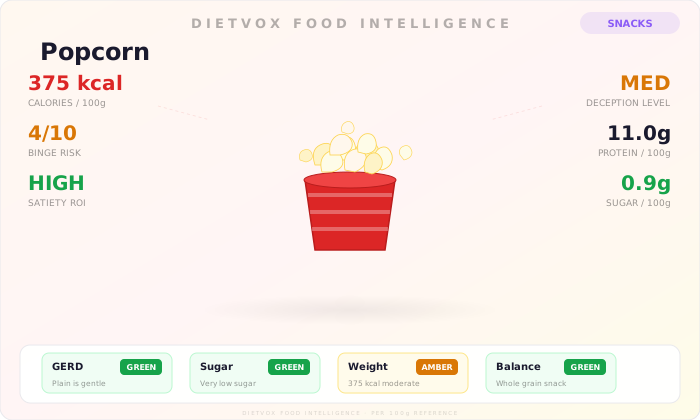
Popcorn
Air-popped popcorn provides only 31 kcal/cup — one of the lowest-calorie snacks by volume. The high fibre and volume make it very satisfying.
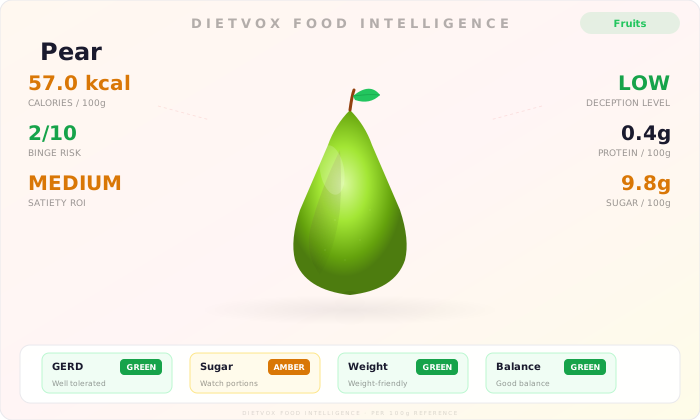
Pear
Pears provide 57 kcal/100g with excellent fibre (3.1g). The fibre content makes them one of the more filling common fruits.
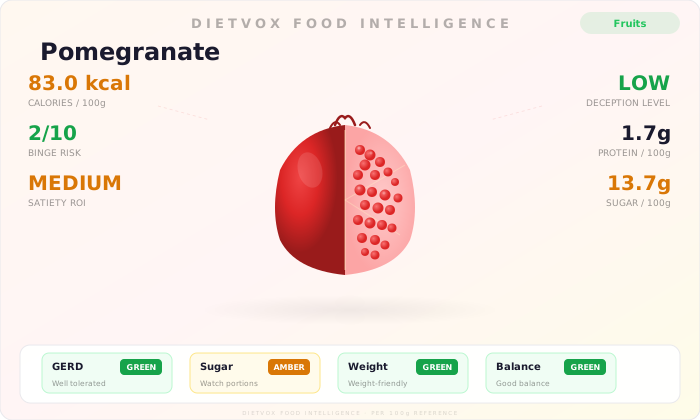
Pomegranate
Pomegranate provides 83 kcal/100g — moderate. The arils provide crunch and the eating process is slow, which aids portion control.
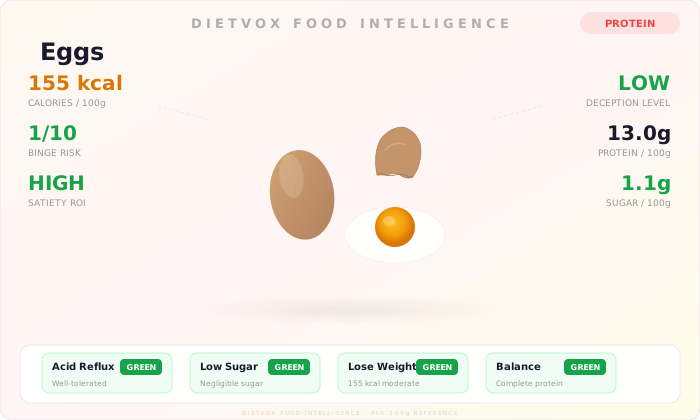
Eggs
Eggs provide 155 kcal/100g (about 78 kcal per egg) with 13g protein. Highly satiating — studies show egg-based breakfasts reduce calorie intake later in the day.
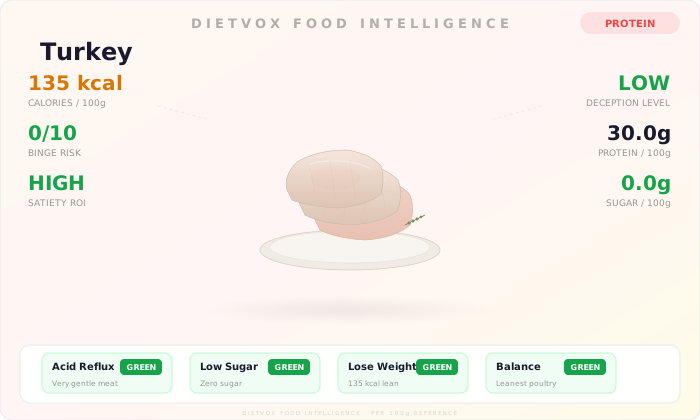
Turkey
Turkey breast provides 135 kcal/100g with 30g protein and only 1.6g fat. One of the leanest meats — excellent for high-protein weight loss diets.
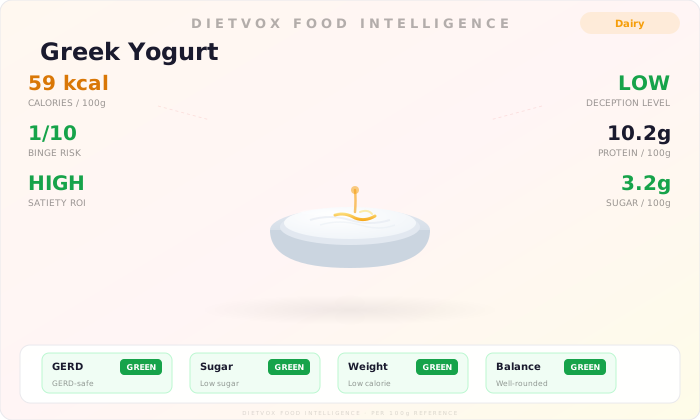
Greek Yogurt
Greek yogurt provides 59 kcal/100g (non-fat) with 10g protein. The high protein content creates excellent satiety per calorie.
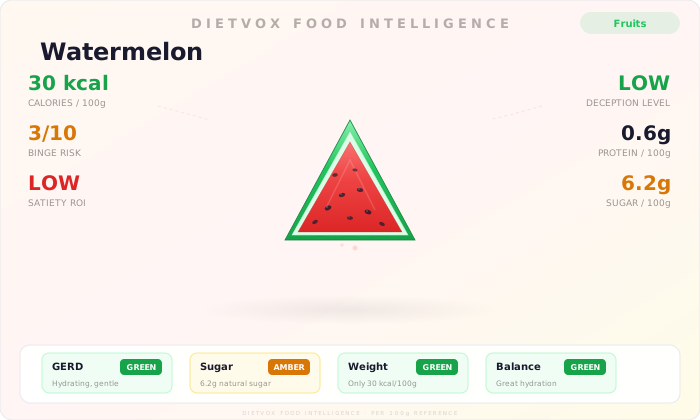
Watermelon
Watermelon provides only 30 kcal/100g. Its high water content (92%) makes it one of the most volumetric fruits — very filling for very few calories.
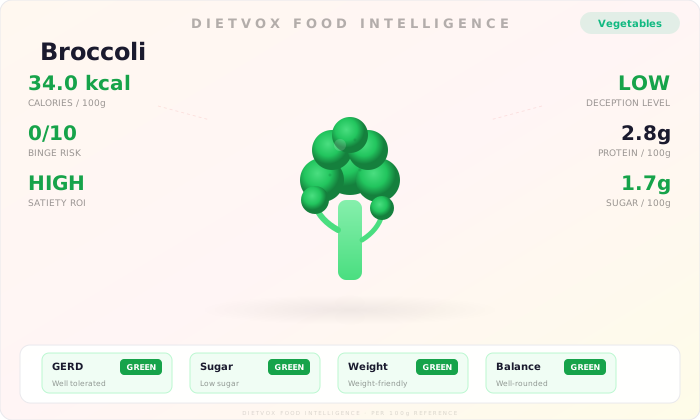
Broccoli
Broccoli provides only 34 kcal/100g with 2.6g fibre and 2.8g protein. One of the best vegetables for weight loss — filling, nutritious, and very low-calorie.
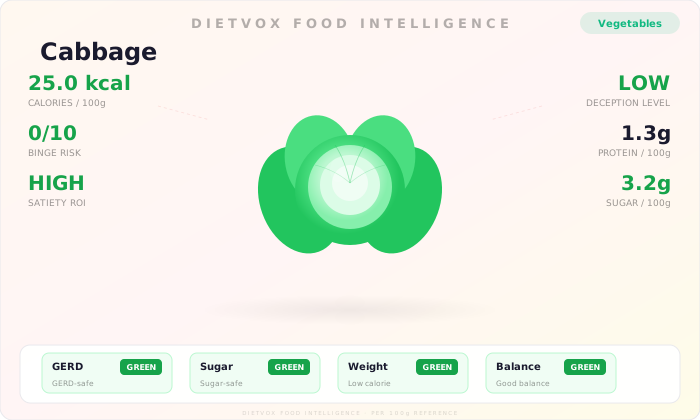
Cabbage
Cabbage provides only 25 kcal/100g — one of the lowest-calorie vegetables. Its high volume and fibre content make it an excellent base for filling, low-calorie meals.
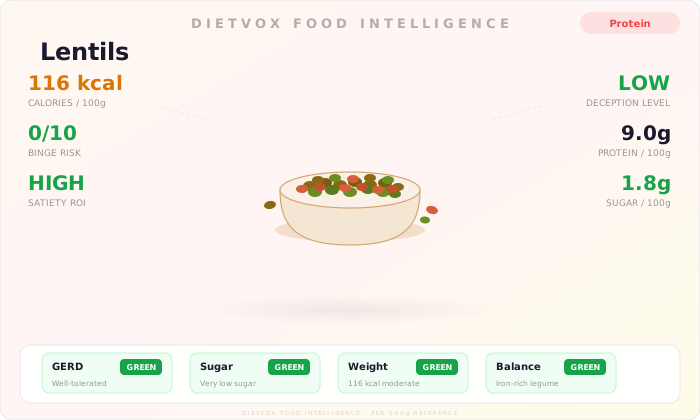
Lentils
Lentils provide 116 kcal/100g (cooked) with 9g protein and 7.9g fibre. One of the most satiating foods per calorie — excellent for weight loss.
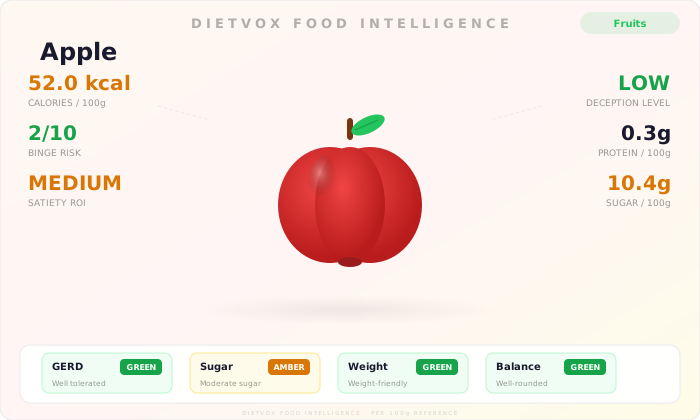
Apple
Apples provide 52 kcal/100g with good fibre (2.4g) that keeps you feeling full. The chewing required and water content make them a satisfying, low-calorie snack.
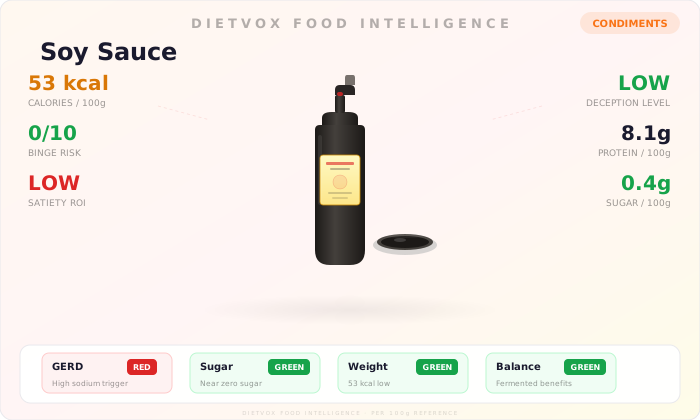
Soy Sauce
Soy sauce provides 53 kcal/100ml, but typical servings are very small (15ml = 8 kcal). An effective low-calorie flavour enhancer.
Foods to Watch AMBER
These foods aren't enemies, but they need awareness. They're either calorie-dense but nutritionally valuable, or moderate-density foods that require portion control.
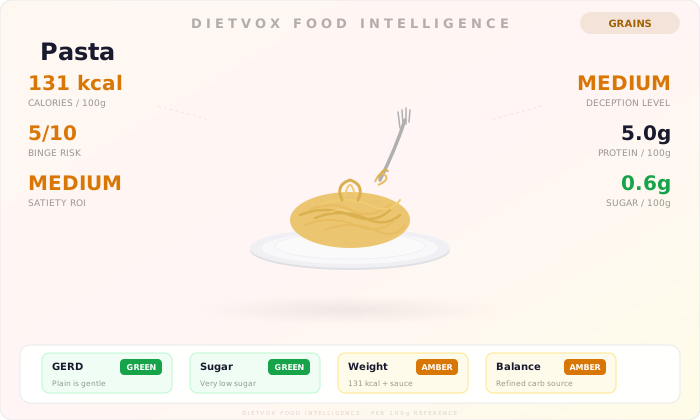
Pasta
Cooked pasta provides 131 kcal/100g — moderate. The key is portion control: a measured serving (75g dry / ~180g cooked) is ~240 kcal. Wholegrain pasta has more fibre and keeps you fuller. Pair with vegetables and lean protein rather than creamy or oily sauces.
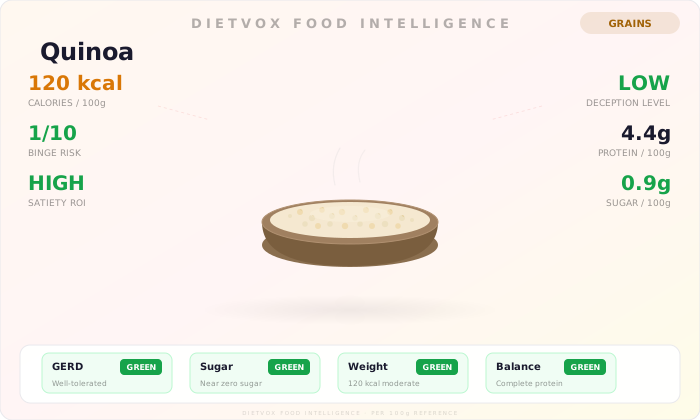
Quinoa
Cooked quinoa provides 120 kcal/100g with good protein (4.4g) and fibre. A useful carbohydrate source during weight loss, but portions should be measured.
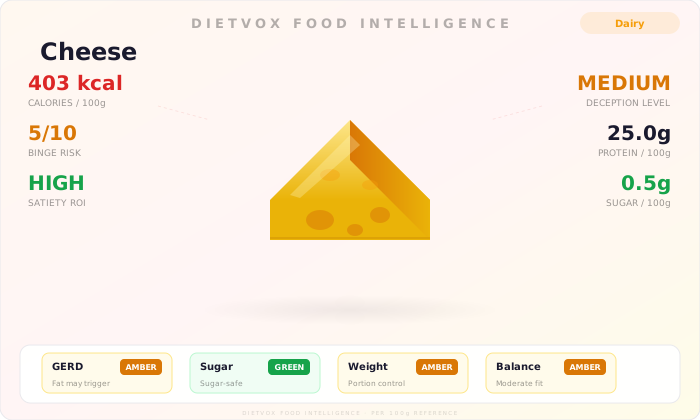
Cheese
Cheese provides 350-400 kcal/100g, but its high protein and fat content promote strong satiety. Studies show dairy consumption is associated with neutral or modest weight loss outcomes. Portion awareness is key — a 30g serving of cheddar adds ~120 kcal. Choose stronger-flavoured varieties where less is needed.
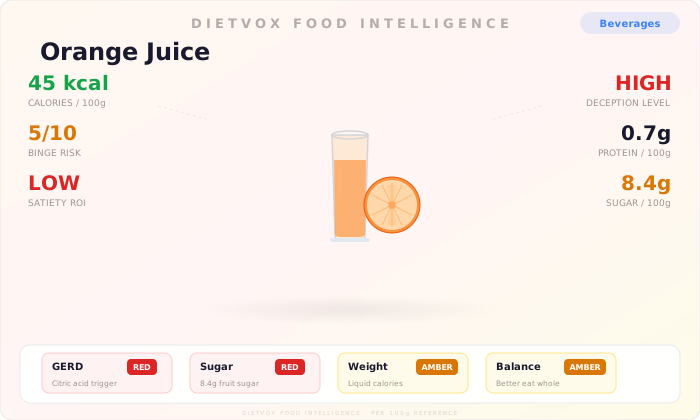
Orange Juice
Orange juice provides 45 kcal/100ml — liquid calories with minimal satiety. A glass (250ml) adds 113 kcal. Eating a whole orange is far more filling for similar calories.
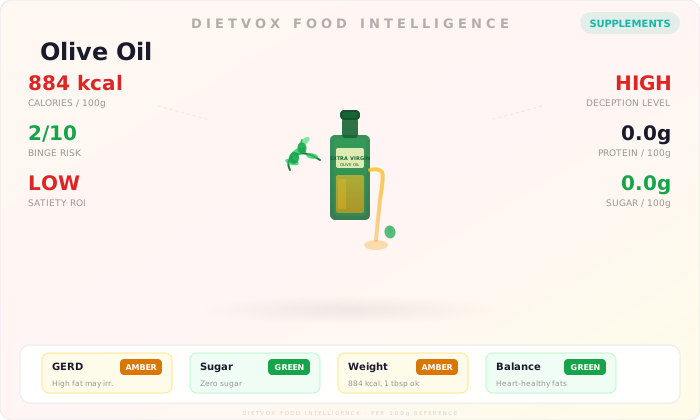
Olive Oil
Olive oil provides 884 kcal/100g but the PREDIMED trial (NEJM, n=7,447) showed Mediterranean diets supplemented with EVOO were associated with less central adiposity than low-fat diets. A meta-analysis of 11 RCTs found olive-oil-enriched diets reduced weight by 0.92kg vs controls. Use measured amounts as a replacement for other cooking fats, not in addition to them.
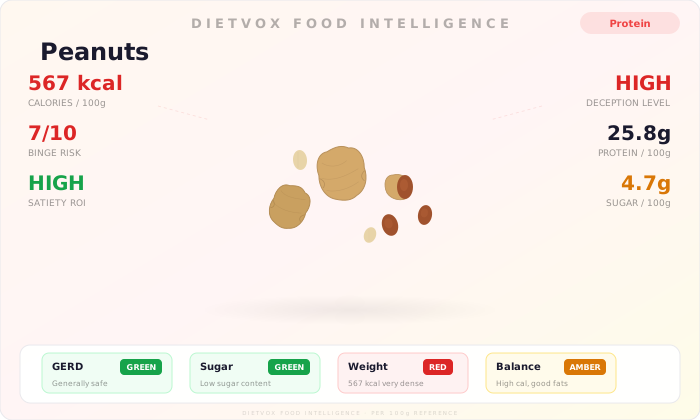
Peanuts
Peanuts provide 567 kcal/100g but despite their calorie density, systematic reviews of RCTs show nut and peanut consumption does not lead to weight gain when substituted for other foods. Protein (26g) and fibre (8.5g) provide strong satiety. Portion control (~30g) is advisable.
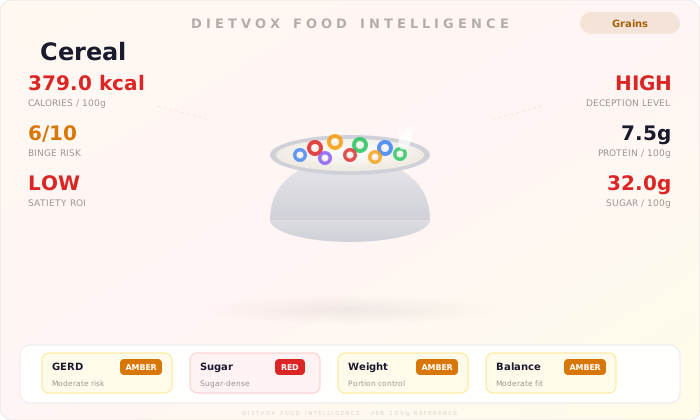
Cereal
Cereal ranges from 340–400 kcal/100g depending on variety. With milk, a typical bowl reaches 250–350 kcal. Choose high-fibre, low-sugar options and measure portions.
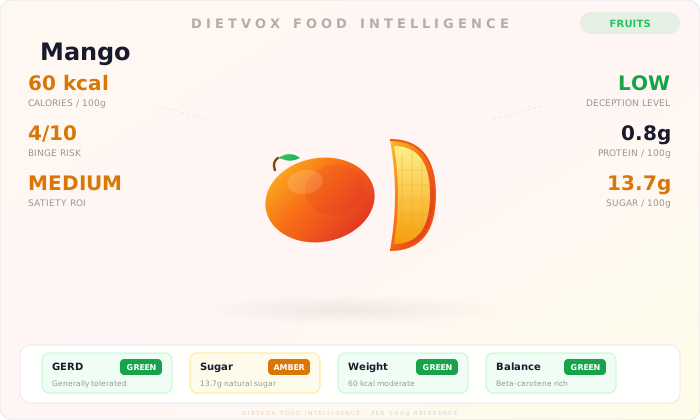
Mango
Mango provides 60 kcal/100g — moderate for a fruit. Rich in vitamins, but the natural sugars and pleasant taste can lead to eating larger portions than planned.
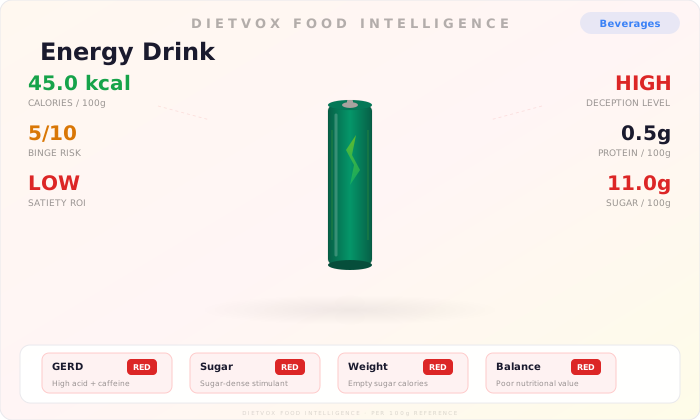
Energy Drink
Regular energy drinks provide 45–50 kcal/100ml. A 500ml can delivers 225–250 kcal. Choose sugar-free versions, but be aware of the appetite effects of sweeteners.
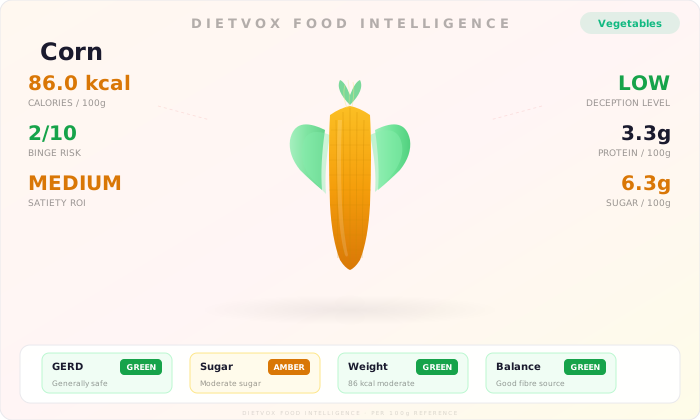
Corn
Corn provides 86 kcal/100g — moderate. It offers some fibre but is starchier than most vegetables. Acceptable in moderate portions as part of a balanced meal.
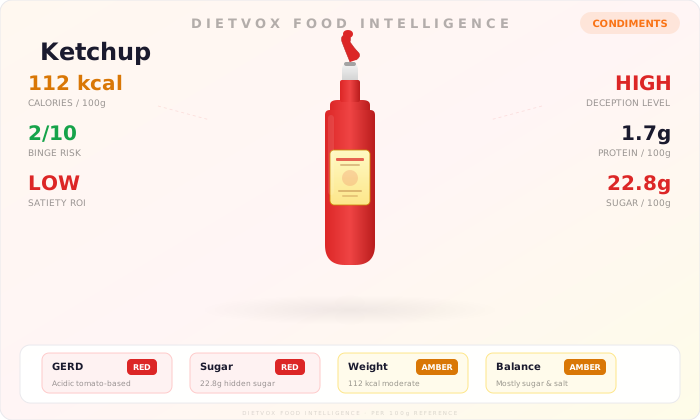
Ketchup
Ketchup provides 112 kcal/100g, but typical servings are small (15g = 17 kcal). Moderate use as a condiment is acceptable; just avoid using it excessively.
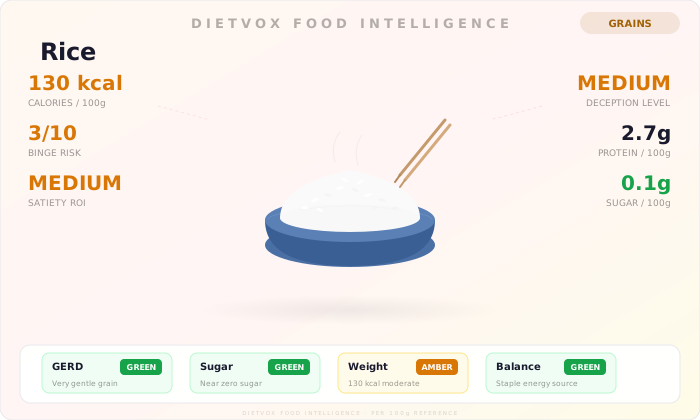
Rice
Cooked rice provides 130 kcal/100g — moderate. Portion control is essential: use a measured cup rather than filling a plate. Brown rice has more fibre and is more satiating. Cooled rice develops resistant starch which has a lower glycaemic impact.
Foods to Avoid RED
These foods combine high caloric density with low satiety — the worst combination for weight management.
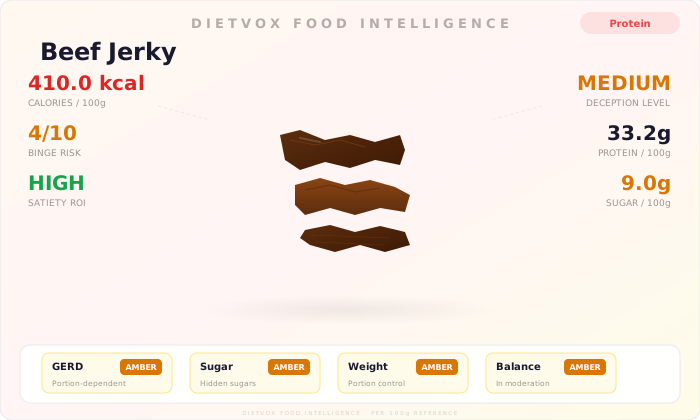
Beef Jerky
Beef jerky is calorie-dense at 410 kcal/100g. While high in protein, the small serving size and intense flavour can lead to overconsumption.
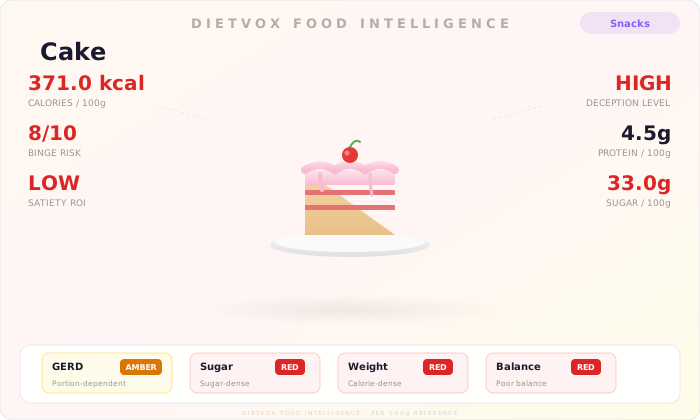
Cake
Cake delivers 350–450 kcal/100g from fat and sugar. It provides very low satiety relative to its calorie load, making it one of the worst foods for weight loss.
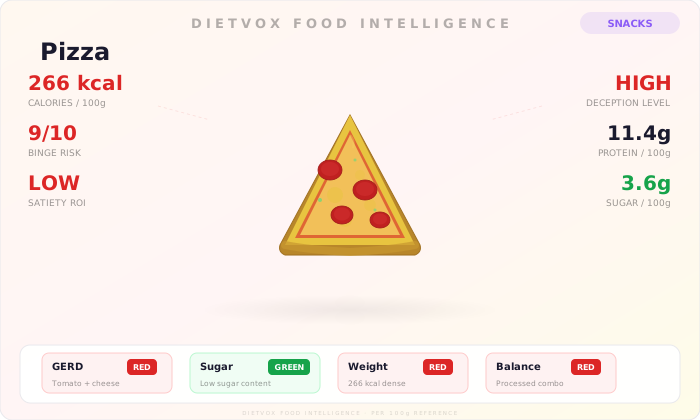
Pizza
Pizza delivers 266 kcal/100g, and a typical serving (2–3 slices) can reach 500–800 kcal. The combination of cheese, dough, and toppings makes portion control difficult.
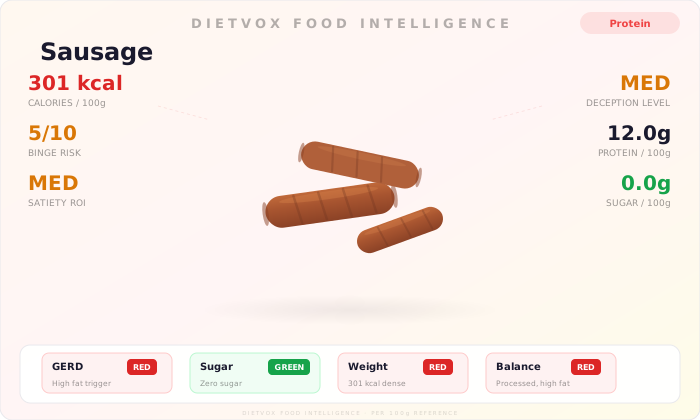
Sausage
Sausage provides 301 kcal/100g with high fat content. The processed nature and flavour additives reduce satiety awareness, making it easy to overconsume.
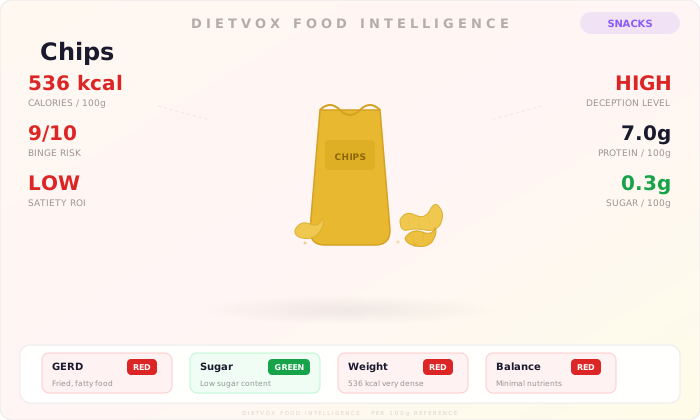
Chips
Chips deliver 536 kcal/100g from fat and starch. Their low satiety and high palatability make them one of the most problematic foods for weight loss.
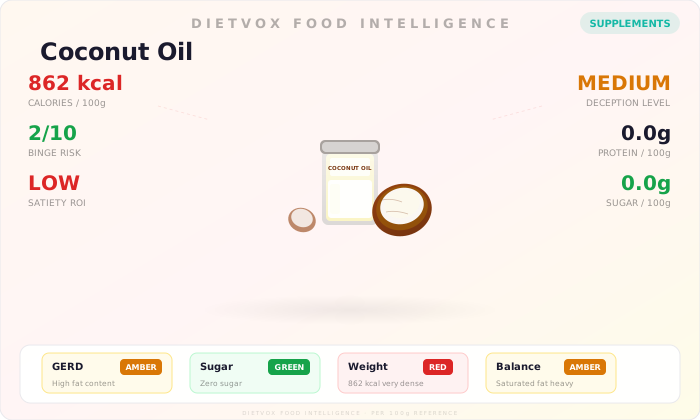
Coconut Oil
Coconut oil provides 862 kcal/100g — nearly pure saturated fat. Despite marketing claims, it is one of the most calorie-dense foods and counterproductive for weight loss.
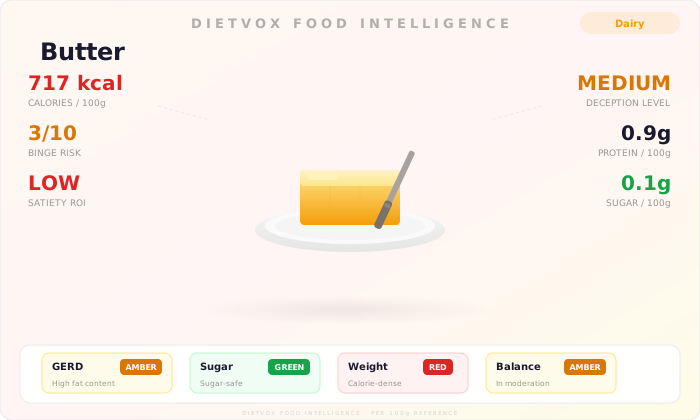
Butter
Butter is one of the most calorie-dense foods at 717 kcal/100g — nearly pure fat. Even small amounts add significant calories to meals.
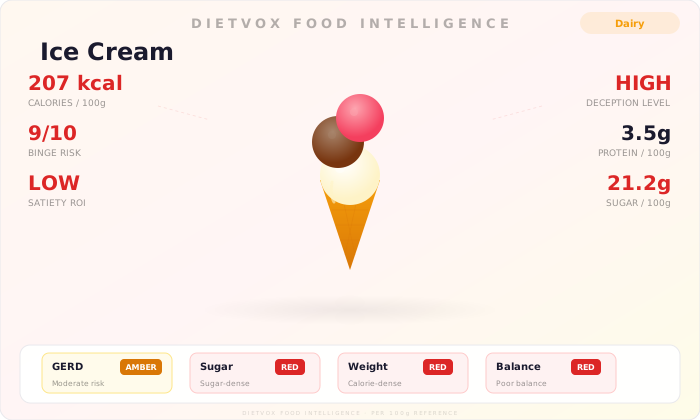
Ice Cream
Ice cream delivers 207 kcal/100g from fat and sugar, with premium brands reaching 300+. Its combination of cold temperature and sweetness reduces satiety signals.
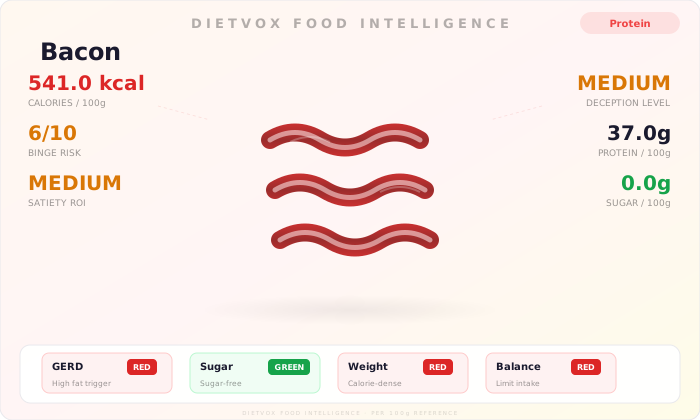
Bacon
Bacon is calorie-dense at 541 kcal/100g, driven by 42g fat. The high saturated fat content and calorie density make it counterproductive for weight loss.
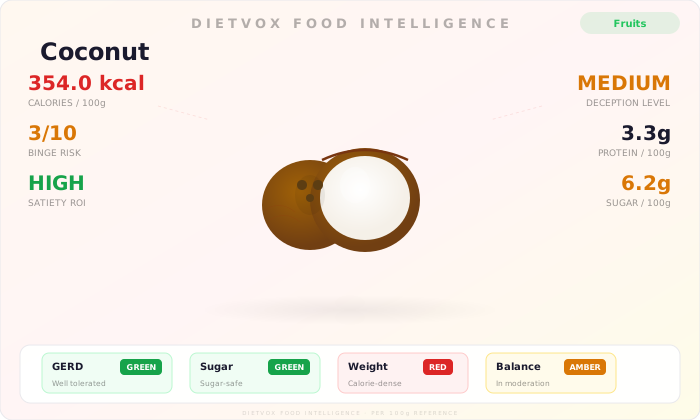
Coconut
Coconut is calorie-dense at 354 kcal/100g with 33.5g fat. Despite being marketed as healthy, its calorie density makes it challenging for weight loss.
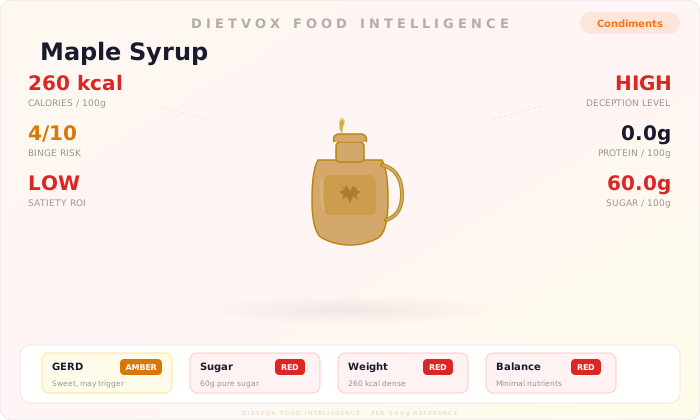
Maple Syrup
Maple syrup provides 260 kcal/100g of essentially pure sugar. It adds significant calories with zero satiety benefit.
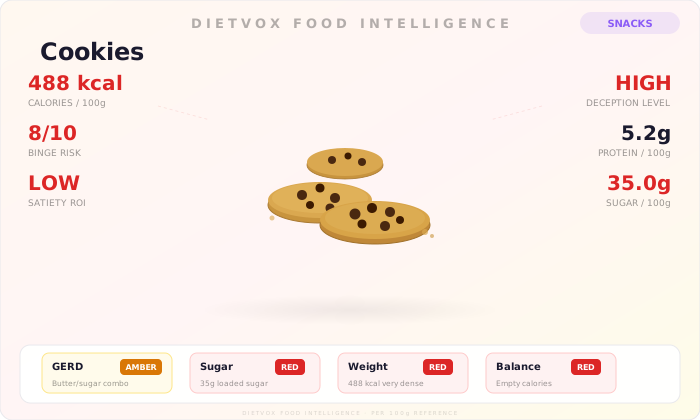
Cookies
Cookies deliver 488 kcal/100g from fat and sugar. Their combination of high palatability and low satiety makes them a significant obstacle to weight loss.
These are just the highlights. The app rates every food you eat.
Scan any food, get an instant RED / AMBER / GREEN rating for weight loss.
Try It Free →How DietVox Approaches Weight Loss
Calorie counting alone is exhausting and misses the bigger picture. A 200-calorie serving of boiled potatoes will keep you full for hours. A 200-calorie serving of crisps will have you reaching for more in 20 minutes. Same calories, completely different outcomes.
DietVox evaluates foods for weight loss across multiple dimensions — not just calories, but how filling a food is, how processed it is, and whether the scientific evidence actually supports what you'd expect. This is why nuts get a different rating than their calorie count alone would suggest, and why a thick homemade soup rates differently from a sugary drink with similar calories.
We rate what the evidence shows, not what the calorie label implies.
Practical Tips
- Build meals around vegetables and lean protein. Fill half your plate with vegetables, a quarter with lean protein, and the remainder with whole grains. This simple template naturally manages caloric density without counting.
- Eat your calories — don't drink them. Swap juice for whole fruit, soda for water, and sweetened coffee for black. Liquid calorie elimination is often the single highest-impact change.
- Don't fear whole foods because of their calorie count. Nuts, avocado, olive oil, and eggs are all calorie-dense but support weight loss through satiety and nutritional quality. Fear the ultra-processed foods, not the whole ones.
- Front-load protein. Higher protein intake (especially at breakfast) consistently reduces total daily calorie consumption. Protein is the most satiating macronutrient.
- Watch preparation methods. Grilled chicken breast is GREEN; fried chicken is RED. Baked potato is GREEN; chips are RED. How you cook food often matters more than which food you choose.
Frequently Asked Questions
Are nuts fattening?
Despite being calorie-dense, extensive research shows nuts don't cause weight gain when eaten as part of a regular diet. The fibre, protein, and fat in nuts create strong satiety, and your body doesn't absorb all the available calories due to the physical structure of the nut. DietVox rates nuts as AMBER — beneficial but calorie-aware.
Is it better to count calories or focus on food quality?
Both matter, but food quality may be more sustainable. Foods with low caloric density and high satiety (vegetables, lean proteins, whole fruits) naturally regulate calorie intake without the mental burden of counting. Ultra-processed foods undermine calorie control regardless of awareness. DietVox's approach focuses on food quality rather than counting.
Can I eat carbs and still lose weight?
Yes. Potatoes, rice, oats, beans, and whole grains are all compatible with weight loss. The issue is caloric density and preparation — boiled potatoes are GREEN, chips are RED. Whole grain bread is AMBER, a croissant is RED. Carbs aren't the enemy; ultra-processing and frying are.
Why do I always feel hungry on a diet?
Usually because of food choice, not portion size. Meals built around low-density, high-satiety foods (vegetables, lean proteins, legumes) keep you genuinely full on fewer calories. Meals built around calorie-dense, low-satiety foods (processed snacks, refined carbs, sugary drinks) leave you hungry regardless of calories consumed.
Is exercise or diet more important for weight loss?
Diet has a much larger impact on the energy balance equation. Exercise is essential for health, muscle maintenance, and well-being, but it's very difficult to outrun a poor diet. A single fast food meal can contain more calories than an hour of intense exercise burns.
Want instant ratings for any food? Try DietVox free